
USA Work Visa Full Guide (2026): Types, Requirements, Eligibility, Costs & Complete Application Process
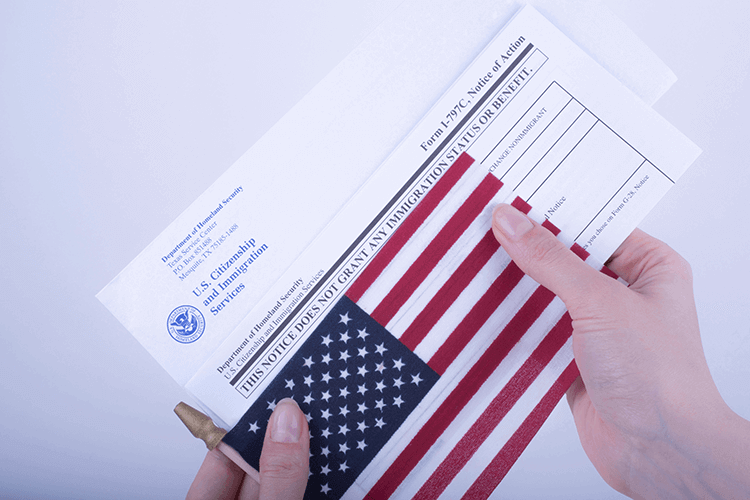
USA Work Visa Full Guide (2026)
The United States remains one of the world’s most attractive destinations for skilled professionals, healthcare workers, engineers, researchers, IT specialists, seasonal workers, entrepreneurs, and multinational executives. Every year, thousands of employers across America sponsor foreign workers because they cannot always find enough qualified talent within the domestic workforce. Whether your dream is to work for a Silicon Valley technology company, a renowned hospital, a construction firm, or an international corporation, understanding the U.S. work visa system is the first and most important step toward making that goal a reality.
Unlike many countries that issue a general work permit, the United States offers multiple employment visa categories based on the nature of the job, the applicant’s qualifications, and the employer’s needs. Some visas are temporary and valid for only a few months, while others can eventually lead to permanent residence through employment-based immigration. Most temporary work visas require a U.S. employer to file a petition with the relevant immigration authorities before the worker can apply for a visa at a U.S. embassy or consulate. The exact process varies depending on the visa category, making it essential to understand which option matches your qualifications and career plans. According to the U.S. Department of State and USA.gov, employment visas are divided into temporary (nonimmigrant) and permanent (employment-based immigrant) categories, each with its own eligibility rules and application procedures.
What Is a USA Work Visa?
A USA work visa is official authorization that allows a foreign national to travel to the United States for employment under specific conditions. It is different from a tourist visa because employment is the primary purpose of entry. Most applicants cannot simply decide to work in America after arriving as tourists. Instead, they must qualify under an approved visa category before beginning employment.
One of the most important facts that many applicants overlook is that most work visas begin with an employer rather than the employee. In many visa categories—including H-1B, H-2A, H-2B, L-1, and O-1—the U.S. employer must first submit a petition to U.S. Citizenship and Immigration Services (USCIS). Only after USCIS approves the petition can the applicant attend a visa interview at a U.S. embassy or consulate. Employment-based immigrant visas such as EB-1, EB-2, and EB-3 follow a different process but often also require employer sponsorship and labor certification. This employer-driven system helps ensure that foreign workers are filling legitimate labor needs while complying with U.S. immigration laws.
Why Work in the United States?
Working in the United States offers opportunities that extend well beyond earning a competitive salary. The country hosts many of the world’s leading companies in technology, finance, healthcare, engineering, manufacturing, education, research, entertainment, and scientific innovation. Professionals often gain access to cutting-edge technologies, international networking opportunities, career advancement, and globally recognized work experience that enhances long-term career prospects.
Another major attraction is the diversity of industries seeking international talent. Technology companies recruit software engineers, cybersecurity professionals, and AI specialists, while hospitals seek qualified nurses and physicians. Construction firms hire skilled tradespeople, agricultural businesses employ seasonal workers, and multinational corporations transfer experienced executives through specialized visa programs. Although immigration policies continue to evolve, employer-sponsored work visas remain one of the primary legal pathways for qualified foreign nationals seeking employment in America. Because eligibility, annual caps, and processing timelines vary by category, applicants should always verify current requirements before applying.
Types of USA Work Visas
The U.S. immigration system broadly divides employment visas into two major categories:
| Visa Category | Purpose | Permanent? |
|---|---|---|
| H-1B | Specialty occupations | No |
| H-2A | Agricultural work | No |
| H-2B | Seasonal non-agricultural work | No |
| L-1 | Company transfers | No |
| O-1 | Extraordinary ability | No |
| TN | Canadian & Mexican professionals | No |
| EB-1 | Priority workers | Yes |
| EB-2 | Advanced degree professionals | Yes |
| EB-3 | Skilled & professional workers | Yes |
| EB-4 | Special immigrants | Yes |
| EB-5 | Investors | Yes |
Temporary (Non-Immigrant) Work Visas
Temporary work visas are intended for employment lasting a fixed period. The majority require employer sponsorship, an approved USCIS petition, and successful visa issuance through a U.S. embassy or consulate. Some visa categories are subject to annual numerical limits, while others are not. Processing times vary depending on government workload, employer filings, and the specific visa classification.
H-1B Visa
The H-1B visa is among the most recognized U.S. work visas. It is designed for professionals working in specialty occupations requiring theoretical and practical application of highly specialized knowledge. Common industries include information technology, engineering, accounting, finance, architecture, healthcare, and higher education. Applicants generally need at least a bachelor’s degree or equivalent experience relevant to the position.
Demand for H-1B visas remains exceptionally high, often exceeding the annual statutory cap. USCIS conducts a registration and selection process when applications surpass available numbers. Selected employers may then submit full petitions for review. Because of this competitive process, preparing documentation accurately and filing within required timelines is essential for applicants hoping to secure an H-1B position.
H-2A Visa
The H-2A visa is designed for foreign nationals who wish to perform temporary or seasonal agricultural work in the United States. This program helps U.S. farmers and agricultural employers fill labor shortages when there are not enough qualified U.S. workers available. Typical jobs include fruit and vegetable harvesting, livestock care, greenhouse work, dairy farming, and crop cultivation. Unlike some other employment visas, the H-2A program does not have an annual numerical cap, making it a valuable option for employers with seasonal labor needs.
To qualify, a U.S. employer must first obtain a temporary labor certification from the U.S. Department of Labor demonstrating that hiring foreign workers will not negatively affect the wages and working conditions of similarly employed U.S. workers. After receiving the certification, the employer files a petition with USCIS. Once approved, eligible workers may apply for the visa at a U.S. embassy or consulate. Workers admitted under the H-2A program are generally authorized to remain in the United States only for the approved employment period, although extensions may be available under certain circumstances. Many employers also provide housing and transportation benefits as required under federal regulations, making this visa attractive for seasonal agricultural workers.
H-2B Visa
The H-2B visa serves employers needing temporary non-agricultural workers for industries experiencing seasonal or peak demand. Businesses in hospitality, landscaping, tourism, seafood processing, amusement parks, construction, and housekeeping frequently rely on this program when local labor shortages occur. Unlike the H-2A visa, the H-2B category is subject to an annual numerical cap established by Congress, and available visas can be exhausted quickly during periods of high demand.
Applicants cannot independently apply for an H-2B visa without employer sponsorship. The employer must first complete labor certification requirements and receive approval before filing the immigration petition. Workers who qualify receive authorization only for the specific employer and job listed in their approved petition. Although the visa is temporary, many workers return season after season through renewed employer sponsorship. Individuals considering this pathway should pay close attention to filing schedules because application windows are highly competitive and government processing timelines can significantly influence employment opportunities.
L-1 Visa
The L-1 visa is specifically intended for employees of multinational companies who are being transferred from an overseas office to a U.S. office. It supports international business operations by allowing organizations to move executives, managers, and employees with specialized knowledge between affiliated offices. The visa has two primary classifications: L-1A for executives and managers, and L-1B for employees possessing specialized organizational knowledge.
One of the major advantages of the L-1 visa is that it does not require participation in an annual lottery system. Employees who have worked for a qualifying foreign branch, subsidiary, affiliate, or parent company for at least one continuous year during the previous three years may qualify if they are transferring to a related U.S. entity. Many multinational corporations use the L-1 category to expand operations in the United States or strengthen collaboration between international offices. The L-1A category is especially attractive because it may later provide a relatively straightforward pathway toward permanent residence under certain employment-based immigrant classifications.
O-1 Visa
The O-1 visa recognizes individuals who have demonstrated extraordinary ability or extraordinary achievement in their professional field. Eligible fields include science, education, business, athletics, arts, television, and the motion picture industry. Rather than focusing solely on academic qualifications, immigration officials evaluate whether applicants have achieved sustained national or international recognition through awards, publications, leadership roles, major contributions, or other significant accomplishments.
Obtaining an O-1 visa requires extensive documentation that clearly demonstrates exceptional ability according to regulatory criteria. Evidence may include internationally recognized awards, scholarly publications, high salaries, media coverage, judging the work of others, original contributions of major significance, or employment in critical roles for distinguished organizations. Because the evidentiary standard is relatively high, applicants often prepare comprehensive supporting documentation with assistance from experienced immigration professionals. For highly accomplished professionals, however, the O-1 visa offers significant flexibility and can serve as an excellent option for pursuing career opportunities in the United States.
TN Visa
The TN visa is available exclusively to eligible citizens of Canada and Mexico under the United States–Mexico–Canada Agreement (USMCA). It allows qualified professionals working in designated occupations—including engineers, accountants, architects, scientists, teachers, and computer systems analysts—to accept employment in the United States. Unlike several other work visa categories, the TN visa generally involves a simpler application process and does not require participation in an annual visa lottery.
Applicants must possess the educational qualifications required for their profession and secure a legitimate job offer from a U.S. employer. Canadian citizens often apply directly at designated ports of entry, while Mexican citizens generally apply through a U.S. embassy or consulate. The TN visa can be renewed multiple times as long as the individual continues to satisfy eligibility requirements and maintains temporary intent. This flexibility makes it one of the most efficient work visa options for qualified professionals from Canada and Mexico.
Permanent Employment-Based Visas
Unlike temporary work visas, employment-based immigrant visas are designed for individuals seeking lawful permanent residence in the United States through employment. These visa categories are commonly referred to as EB visas and are divided into five preference classifications. Depending on the category, applicants may require employer sponsorship, labor certification, or evidence of extraordinary qualifications. Receiving an employment-based immigrant visa generally leads to obtaining a Permanent Resident Card, commonly known as a Green Card, allowing individuals to live and work permanently in the United States.
EB-1 Visa
The EB-1 visa is reserved for priority workers and represents one of the fastest employment-based immigration pathways available. It includes individuals with extraordinary ability, outstanding professors and researchers, and certain multinational executives or managers. Because applicants in the extraordinary ability category may self-petition in some circumstances, employer sponsorship is not always required.
The evidentiary standard for EB-1 classification is intentionally demanding. Applicants typically demonstrate internationally recognized achievements through prestigious awards, influential publications, leadership positions, groundbreaking research, or exceptional professional accomplishments. Although documentation requirements are extensive, successful applicants often benefit from shorter waiting periods compared with other employment-based categories due to the high priority assigned to EB-1 cases.
EB-2 Visa
The EB-2 visa is intended for professionals holding advanced degrees or individuals possessing exceptional ability in the sciences, arts, or business. Most applicants require a permanent job offer and labor certification from their employer, although some may qualify for a National Interest Waiver (NIW), allowing them to request exemption from these requirements if their work substantially benefits the United States.
Professionals pursuing careers in medicine, engineering, scientific research, higher education, and technology frequently qualify under the EB-2 category. Applicants seeking a National Interest Waiver must demonstrate that their proposed work has significant national importance and that waiving the normal job offer requirement would benefit the United States. Because this category combines strong career opportunities with potential flexibility, it remains one of the most popular employment-based immigration options.
EB-3 Visa
The EB-3 visa covers three principal groups: skilled workers, professionals with bachelor’s degrees, and certain unskilled workers filling permanent positions. Compared with EB-1 and EB-2 classifications, EB-3 generally has broader eligibility requirements, making it accessible to a larger number of applicants. Occupations commonly falling within this category include nurses, teachers, electricians, mechanics, manufacturing employees, and many other skilled professions.
Employer sponsorship and labor certification are generally required before filing the immigrant petition. Because demand often exceeds annual visa availability, waiting periods may be longer than those experienced under higher employment preference categories. Even so, the EB-3 visa remains one of the primary pathways for foreign workers seeking permanent employment and long-term residence in the United States.
EB-4 Visa
The EB-4 visa is a specialized employment-based immigrant category created for special immigrants who do not fit into the traditional employment classifications. Eligible applicants may include certain religious workers, employees of U.S. government agencies abroad, members of the U.S. armed forces under qualifying circumstances, broadcasters employed by international organizations, and several other categories established under U.S. immigration law. Because this visa serves highly specific groups, eligibility requirements differ considerably depending on the applicant’s background and occupation.
Applicants must provide documentation proving they belong to one of the qualifying special immigrant classifications. In many cases, a sponsoring organization, religious institution, or government agency files the necessary petition on the applicant’s behalf. While the EB-4 category is not as widely used as EB-2 or EB-3, it offers a valuable route to permanent residence for individuals whose work serves important humanitarian, governmental, or religious purposes. Since regulations occasionally change, applicants should carefully review the latest eligibility criteria before beginning the application process.
EB-5 Visa
The EB-5 Immigrant Investor Program is designed for foreign investors willing to make a qualifying investment in a U.S. commercial enterprise while creating jobs for American workers. Unlike most employment-based immigration pathways, this category is based primarily on investment rather than professional qualifications or employer sponsorship. Investors who satisfy the legal requirements may obtain permanent residence for themselves, their spouse, and eligible unmarried children under the age of 21.
Applicants must invest the required amount established under current U.S. immigration regulations and demonstrate that the investment will create or preserve the required number of full-time jobs. Funds must come from lawful sources, and applicants should be prepared to document the origin of their investment capital thoroughly. Because EB-5 applications involve substantial financial commitments and extensive documentation, many investors seek professional legal and financial advice before proceeding. For entrepreneurs wishing to establish a long-term presence in the United States, the EB-5 program remains one of the most direct routes to obtaining a Green Card.
Eligibility Requirements
Although every U.S. work visa has its own specific rules, several general eligibility requirements apply across most employment categories. Understanding these requirements early can help applicants prepare stronger applications and avoid unnecessary delays.
Typical eligibility requirements include:
| Requirement | Description |
|---|---|
| Valid Passport | Must remain valid beyond the intended stay. |
| Job Offer | Required for most employment visas. |
| Employer Sponsorship | Necessary for many temporary and permanent work visas. |
| Educational Qualifications | Degree, diploma, or relevant experience depending on the visa category. |
| Approved Petition | Required before visa application for most temporary work visas. |
| Clean Immigration Record | Previous violations may affect eligibility. |
| Medical & Security Checks | Applicants must satisfy health and background screening requirements. |
Meeting the minimum eligibility requirements does not automatically guarantee visa approval. Consular officers evaluate the complete application, supporting documents, interview responses, and compliance with immigration laws before issuing a final decision. Applicants should therefore ensure that every document submitted is accurate, consistent, and up to date.
Required Documents
Preparing a complete application package is one of the most important parts of the visa process. Missing or inconsistent documentation can result in delays or even denial of the application. While requirements differ slightly among visa categories, most applicants should expect to provide the following:
- A valid passport
- Completed visa application form (DS-160 for most temporary work visas)
- Passport-size photographs meeting U.S. specifications
- Visa application fee receipt
- Approved USCIS petition (when applicable)
- Employment offer letter
- Educational certificates and transcripts
- Professional licenses or certifications (if required)
- Curriculum Vitae (CV) or résumé
- Work experience letters
- Financial documentation (if requested)
- Police certificates or background documents (where applicable)
- Medical examination results (for immigrant visas)
- Supporting documents specific to the visa category
Applicants should always organize documents carefully before attending the visa interview. Presenting clear, well-organized evidence helps immigration officers review the case efficiently and demonstrates professionalism throughout the application process.
Step-by-Step USA Work Visa Application Process
Applying for a U.S. work visa involves several stages that must be completed in the correct order. While the exact process depends on the visa category, the following roadmap applies to most employment visas.
Step 1: Obtain a Job Offer
For most employment visas, the process begins with receiving an offer of employment from a qualified U.S. employer. The employer must be willing to sponsor the applicant where sponsorship is required.
Step 2: Employer Files Petition
The sponsoring employer files the appropriate petition with U.S. Citizenship and Immigration Services (USCIS). Certain categories also require labor certification from the U.S. Department of Labor before the petition can be submitted.
Step 3: Petition Approval
USCIS reviews the petition and supporting evidence. If approved, the applicant receives the documentation necessary to continue the visa application process.
Step 4: Complete the Visa Application
Applicants complete the required online visa application and pay the applicable government fees. They then schedule an appointment at the appropriate U.S. embassy or consulate.
Step 5: Attend the Visa Interview
During the interview, a consular officer reviews the application, verifies supporting documents, and asks questions regarding employment, qualifications, and travel intentions.
Step 6: Receive the Visa
If approved, the applicant’s passport is returned with the visa stamp, allowing travel to the United States according to the visa’s terms and validity period.
Processing Time and Estimated Costs
Processing times vary depending on visa category, government workload, security checks, and country-specific demand. The following table provides a general comparison.
| Visa Type | Typical Processing Time | Government Fees* |
|---|---|---|
| H-1B | Several months | Varies |
| H-2A | Several weeks to months | Varies |
| H-2B | Several weeks to months | Varies |
| L-1 | Several months | Varies |
| O-1 | Several months | Varies |
| TN | Often faster than other categories | Varies |
| EB Visas | Several months to several years (depending on category and visa availability) | Varies |
*Government filing fees, petition fees, premium processing fees (if applicable), medical examinations, document translation, and legal representation may increase the total cost.
Applicants should always verify the latest fee schedules and processing estimates through official U.S. government sources before submitting an application.
Tips to Increase Your Chances of Approval
A well-prepared application can significantly improve the likelihood of success. Consider the following practical recommendations:
- Submit complete and accurate documentation.
- Ensure all information is consistent across every form.
- Attend the interview fully prepared.
- Answer questions honestly and confidently.
- Bring original documents whenever possible.
- Demonstrate that you satisfy all visa requirements.
- Follow official instructions carefully.
- Apply well before your intended employment start date.
Immigration officers appreciate organized, truthful, and complete applications. Even highly qualified applicants may experience delays if important documents are missing or inconsistent.
Common Reasons for Visa Refusal
Understanding common reasons for visa denial can help applicants avoid preventable mistakes.
Some of the most frequent reasons include:
- Incomplete documentation.
- Inconsistent information.
- Failure to meet eligibility requirements.
- Insufficient evidence supporting qualifications.
- Employer petition problems.
- Security or background concerns.
- Previous immigration violations.
- Misrepresentation or false information during the application process.
Receiving a refusal does not always mean an applicant can never obtain a U.S. work visa. Depending on the circumstances, applicants may become eligible after correcting deficiencies or reapplying with stronger supporting evidence.
Conclusion
Working in the United States continues to be an important career goal for professionals across the world. Whether you are a software engineer seeking an H-1B visa, a multinational executive transferring under an L-1 visa, a seasonal agricultural worker applying for an H-2A visa, or an investor pursuing an EB-5 immigrant visa, understanding the correct immigration pathway is essential. Each visa category has distinct eligibility requirements, documentation standards, processing procedures, and timelines.
The most successful applicants begin preparing well in advance, verify every requirement using official government resources, and ensure that all forms and supporting documents are complete before submission. Immigration rules can change over time, so staying informed is just as important as meeting the eligibility criteria. By carefully planning each step of the process and following official guidance, applicants can improve their chances of obtaining a U.S. work visa and starting a rewarding professional journey in the United States.
Frequently Asked Questions (FAQs)
1. Can I apply for a U.S. work visa without a job offer?
For most employment visa categories, no. A U.S. employer must first offer you a qualifying position and, in many cases, file a petition with USCIS before you can apply.
2. Which U.S. work visa is best for IT professionals?
The H-1B visa is the most common option for software engineers, programmers, data scientists, and other technology professionals working in specialty occupations.
3. Can a U.S. work visa lead to a Green Card?
Yes. Several temporary work visas may eventually lead to permanent residence through employment-based immigrant visa categories, depending on eligibility and employer sponsorship.
4. How long does a U.S. work visa remain valid?
Validity depends on the visa category. Some temporary visas are granted for months, while others may be valid for several years with possible extensions.
5. Can my family accompany me on a U.S. work visa?
Many work visa categories allow eligible spouses and dependent children to accompany the principal applicant under derivative visa classifications, subject to the rules governing the specific visa type.