USA Work Visa for Pakistani Passport Holders (2026): Complete Guide, Eligibility, Requirements, Costs & Application Process
USA Work Visa for Pakistani Passport Holders (2026)
The United States remains one of the most attractive destinations for skilled professionals, engineers, healthcare workers, IT experts, researchers, and seasonal laborers from Pakistan. Every year, thousands of Pakistani citizens dream of building successful careers in America because of its competitive salaries, advanced working environment, and opportunities for long-term professional growth. Although obtaining a USA work visa can seem challenging, understanding the process carefully makes the journey much easier.
For Pakistani passport holders, the application process involves several important stages, including finding a qualified employer willing to sponsor the visa, preparing the required documentation, attending a visa interview, and meeting U.S. immigration requirements. Unlike tourist visas, employment visas generally require sponsorship from a U.S. employer before an applicant can proceed with the visa application.
This comprehensive guide explains the major U.S. work visa categories, eligibility requirements, application procedures, estimated costs, processing timelines, and practical tips for Pakistani applicants in 2026. It also includes a disclaimer emphasizing that immigration policies may change, so applicants should always verify the latest requirements through official U.S. government sources before submitting an application.
Understanding the USA Work Visa System
A USA work visa is official authorization that allows foreign nationals to enter the United States for employment under specific conditions. These visas are designed to fill labor shortages, attract highly skilled professionals, support multinational companies, and meet seasonal workforce demands. Each visa category has its own purpose, qualifications, validity period, and renewal options.
For Pakistani professionals, choosing the correct visa category is one of the most important decisions. An IT engineer may qualify for an H-1B visa, while a seasonal agricultural worker could be eligible for an H-2A visa. Similarly, executives transferring within multinational companies often apply under the L-1 category. Understanding these differences helps applicants avoid unnecessary delays and increases the likelihood of a successful application. The U.S. immigration system places significant emphasis on employer sponsorship, compliance with labor laws, and verification of qualifications, making preparation essential before beginning the process.
What Is a USA Work Visa?
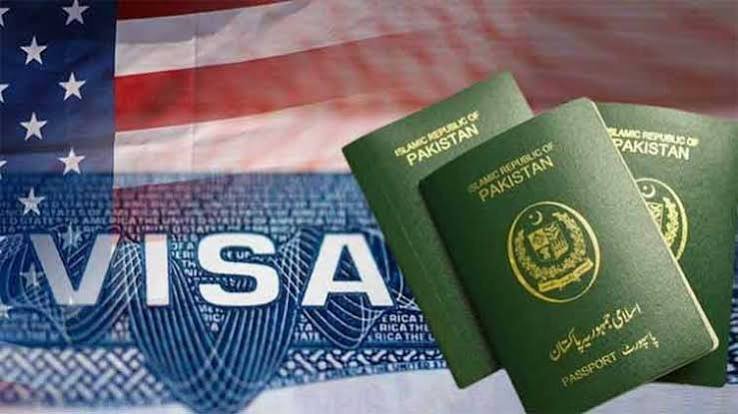
A work visa allows a foreign national to legally work in the United States for an approved employer. Most employment-based visas require an employer to file a petition with U.S. Citizenship and Immigration Services (USCIS) before the applicant can apply for a visa at a U.S. embassy or consulate.
Some work visas are temporary, while others may eventually lead to permanent residency. The type of work, educational background, professional experience, and employer requirements determine which visa category is appropriate. Pakistani applicants should carefully review their qualifications and employer sponsorship details before proceeding with the application.
Difference Between Immigrant and Non-Immigrant Work Visas
| Feature | Non-Immigrant Work Visa | Immigrant Work Visa |
|---|---|---|
| Duration | Temporary | Permanent |
| Employment | Specific employer | Permanent employment |
| Green Card | Usually no | Yes |
| Sponsorship | Required | Required |
| Examples | H-1B, H-2B, L-1 | EB-2, EB-3 |
Understanding this distinction is crucial because many Pakistani applicants initially enter the United States on temporary employment visas before pursuing permanent residency through employment-based immigration programs.
Types of USA Work Visas Available
The United States offers multiple employment visa categories designed for different industries and skill levels. Selecting the correct visa depends on the nature of the job, employer sponsorship, qualifications, and intended duration of employment.
The H-1B Visa is one of the most popular options for Pakistani professionals working in technology, engineering, healthcare, finance, architecture, and education. It generally requires at least a bachelor’s degree or equivalent specialized experience and is subject to an annual lottery due to high demand.
The H-2A Visa is designed for temporary agricultural workers when U.S. employers cannot find enough domestic labor. The H-2B Visa serves non-agricultural seasonal industries such as hospitality, landscaping, seafood processing, and construction.
The L-1 Visa enables multinational companies to transfer managers, executives, or employees with specialized knowledge to U.S. offices. The O-1 Visa is intended for individuals with extraordinary ability in science, arts, education, business, or athletics.
Employment-based immigrant visas, including EB-2 and EB-3, provide pathways toward permanent residency for qualified professionals and skilled workers who meet eligibility criteria.
Eligibility for Pakistani Passport Holders
Pakistani passport holders can apply for a USA work visa if they satisfy the eligibility requirements of the specific visa category they intend to pursue. One of the most important factors is securing a genuine job offer from a U.S.-based employer. In most employment-based visa categories, the employer must be willing to sponsor the applicant by filing the required petition with the U.S. Citizenship and Immigration Services (USCIS). Without employer sponsorship, most applicants cannot move forward with the work visa process. This makes it essential for Pakistani professionals to focus on obtaining legitimate employment through trusted recruitment agencies, international job portals, or direct company applications.
Educational qualifications also play a significant role. For example, applicants seeking an H-1B visa generally need at least a bachelor’s degree or its equivalent in a field related to the offered position. Some occupations may require professional licenses or certifications recognized in the United States. Candidates should ensure that their academic credentials are supported by official transcripts and, where necessary, evaluated by recognized credential evaluation agencies. Having relevant work experience, professional certifications, and strong technical skills can significantly improve an applicant’s competitiveness in the hiring process.
Applicants must also demonstrate that they meet all security, health, and legal requirements established under U.S. immigration law. This includes maintaining a valid Pakistani passport, providing truthful information throughout the application process, attending the visa interview, and presenting all requested documents. Previous immigration violations, criminal records, fraudulent documentation, or significant inconsistencies during the application process may negatively affect visa eligibility. Preparing complete and accurate documentation from the beginning greatly reduces the risk of delays or refusals.
Language proficiency, while not always a mandatory legal requirement, can also be an advantage. Many U.S. employers expect employees to communicate effectively in English, particularly in professional environments such as healthcare, engineering, finance, customer service, and information technology. Demonstrating excellent communication skills during interviews may improve employment prospects and increase employer confidence in hiring international candidates from Pakistan.
Required Documents for a USA Work Visa
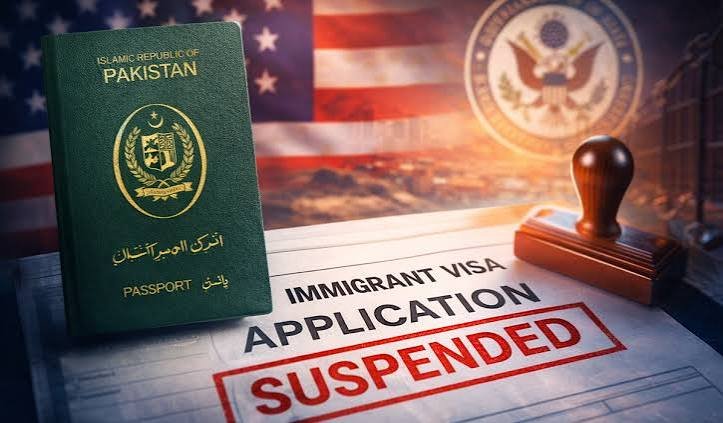
Preparing accurate documentation is one of the most critical stages of the visa application process. Even a minor mistake or missing document may result in delays or additional administrative processing. Applicants should carefully review the document checklist provided by their employer and the U.S. Embassy before attending the visa interview. Organizing documents in advance not only simplifies the process but also creates a positive impression during the interview.
The most important document is a valid Pakistani passport, which should generally remain valid for at least six months beyond the intended stay in the United States. Applicants also need the online DS-160 confirmation page, the visa appointment confirmation, recent passport-sized photographs meeting U.S. visa specifications, and the visa fee payment receipt. The employer-sponsored petition approval notice, commonly known as Form I-797, is another essential document because it confirms that USCIS has approved the employer’s petition on behalf of the applicant.
Educational records such as degrees, diplomas, transcripts, professional certificates, and employment experience letters should also be included. Depending on the visa category, applicants may be required to submit updated resumes, employment contracts, proof of specialized skills, professional licenses, or portfolio samples. Some occupations, especially in healthcare and engineering, may require additional verification or licensing documentation before employment begins in the United States.
Financial documentation may also be requested in certain situations to demonstrate the applicant’s ability to support themselves until employment officially begins. While employer sponsorship covers many employment-related aspects, applicants should still maintain copies of bank statements, tax records if applicable, previous travel history, and any additional documents requested by the U.S. Embassy or Consulate. Keeping both original documents and photocopies helps avoid unnecessary complications during the interview process.
Step-by-Step USA Work Visa Application Process
The U.S. employment visa process involves several carefully regulated stages that require cooperation between the employer, USCIS, the U.S. Department of State, and the visa applicant. Unlike visitor visas, employment visas begin with the employer rather than the employee. Understanding each step helps Pakistani applicants prepare effectively and avoid unnecessary delays throughout the application journey.
The first step is securing employment with a legitimate U.S. employer willing to provide visa sponsorship. After extending a job offer, the employer submits the appropriate petition to USCIS. Depending on the visa category, additional labor certification requirements may also apply before the petition can be approved. Once USCIS reviews and approves the petition, the employer receives the official approval notice, allowing the applicant to proceed with the visa application at the U.S. Embassy or Consulate.
After receiving the petition approval, the applicant completes the DS-160 Online Nonimmigrant Visa Application, uploads a compliant passport photograph, pays the required visa fee, and schedules a visa interview appointment. During this stage, applicants should carefully review every detail entered into the DS-160 form because even small errors may create unnecessary delays. Accurate information that matches supporting documents is essential throughout the application process.
The visa interview is often considered the most important stage of the application. During the interview, a consular officer evaluates the applicant’s qualifications, employment details, background, and overall eligibility under U.S. immigration law. Applicants should answer questions honestly, confidently, and consistently with the information provided in their documentation. If the visa is approved, the passport is retained temporarily for visa stamping before being returned to the applicant. In some cases, additional administrative processing may be required before the final decision is issued.
USA Work Visa Fees and Processing Time
The overall cost of obtaining a U.S. work visa depends on the visa category, employer obligations, and any optional premium processing services that may be requested. While employers often pay several petition-related government filing fees, applicants are generally responsible for paying the visa application fee required for embassy processing. Additional expenses may include medical examinations where applicable, passport services, educational credential evaluations, document translations, police certificates if requested, travel expenses to attend the interview, and courier services for passport delivery.
Processing times vary considerably depending on the visa category, application volume, administrative processing requirements, and USCIS workload. Some employer petitions may take several months to receive approval under standard processing. Certain employment categories offer premium processing, allowing USCIS to review petitions within a much shorter timeframe for an additional fee paid by the employer or petitioner when eligible. However, premium processing does not guarantee visa approval, as applicants must still satisfy all embassy requirements.
Applicants should also understand that embassy appointment availability may fluctuate throughout the year. During periods of high demand, interview wait times can become significantly longer, making early preparation essential. Pakistani applicants are encouraged to begin the application process well in advance of their intended employment start date. Monitoring official announcements regarding appointment availability and immigration policy updates can help applicants plan more effectively and minimize unnecessary delays.
Even after visa approval, applicants should avoid making irreversible travel arrangements until they have received their passport containing the issued visa. Administrative processing may occasionally extend beyond estimated timelines, and travel plans should remain flexible until the visa has been physically issued. Proper planning helps reduce stress and ensures a smoother transition when relocating to the United States for employment.
Tips to Increase USA Work Visa Approval Chances
Obtaining a USA work visa is a competitive process, but careful preparation can significantly improve your chances of approval. The first and most important step is securing a genuine job offer from a reputable U.S. employer. Be cautious of fraudulent recruitment agencies or individuals promising guaranteed visas in exchange for money. A legitimate employer will follow the official immigration process and submit the necessary petition to U.S. Citizenship and Immigration Services (USCIS) on your behalf. Always verify the employer’s credentials and keep copies of all employment-related documents.
Accuracy and honesty are equally important throughout the application process. Every detail on your DS-160 visa application, passport, educational certificates, employment records, and supporting documents should match exactly. Even small inconsistencies can lead to additional questioning or administrative delays. During the visa interview, answer every question clearly, confidently, and truthfully. Avoid memorized responses, exaggerations, or providing information that cannot be supported by your documents. Consular officers are trained to verify the authenticity of applications, and honesty remains one of the strongest factors in a successful visa decision.
Professional preparation also makes a positive impression. Organize all original documents and photocopies in advance, dress professionally for the interview, and arrive at the embassy on time. Review your employer’s information, job responsibilities, salary details, and visa category before attending the interview. Applicants should be able to explain why they were hired, what skills they possess, and how their qualifications match the offered position. Confidence combined with accurate information often creates a stronger overall application.
Continuous professional development can further improve employment opportunities. Pakistani professionals with internationally recognized certifications, advanced degrees, strong English communication skills, and specialized technical expertise often attract more interest from U.S. employers. Building experience through reputable organizations, improving industry-specific skills, and maintaining an updated professional resume increase competitiveness in the international job market. While no strategy guarantees visa approval, thorough preparation greatly enhances the likelihood of a positive outcome.
Common Reasons for USA Work Visa Refusal
Although many Pakistani applicants successfully receive U.S. work visas every year, visa refusals can occur for several reasons. One of the most common issues is incomplete or inaccurate documentation. Missing educational certificates, incorrect information on application forms, expired passports, inconsistent employment records, or failure to provide required supporting documents may delay or negatively affect the application. Applicants should carefully review every document before attending the interview to ensure all information is complete and consistent.
Another common reason involves problems with employer sponsorship. If the sponsoring employer fails to meet legal requirements, submits incomplete petitions, or cannot demonstrate a genuine employment need, the petition may be denied before the applicant even reaches the visa interview stage. Applicants should only accept employment offers from verified employers with established business operations and a clear understanding of the U.S. employment visa process. Verifying employer legitimacy helps reduce the risk of immigration fraud and protects applicants from unnecessary financial loss.
Interview performance also plays an important role. Consular officers evaluate whether applicants genuinely qualify for the requested visa category and whether the information provided during the interview matches the submitted documentation. Nervousness alone does not cause visa refusals, but contradictory answers, misleading statements, or inability to explain employment details may raise concerns. Applicants should remain calm, answer questions directly, and avoid providing unnecessary information beyond what is asked.
Security, immigration, and legal factors may also influence visa decisions. Previous immigration violations, criminal convictions, fraudulent documents, misrepresentation, or security-related concerns can result in visa refusal under applicable U.S. immigration laws. Every application is reviewed individually based on current regulations, supporting evidence, and eligibility requirements. If a visa is refused, applicants should carefully understand the reason provided and address any correctable issues before considering a future application.
Disclaimer
The information provided in this article is intended for educational and informational purposes only. U.S. immigration laws, visa categories, government fees, eligibility requirements, embassy procedures, and processing times may change at any time without prior notice. Although every effort has been made to provide accurate and up-to-date information, this article should not be considered legal, immigration, or professional advice.
Applicants are strongly encouraged to verify the latest requirements through the official websites of the U.S. Department of State, U.S. Citizenship and Immigration Services (USCIS), and the U.S. Embassy or Consulate responsible for processing their visa application. Individual cases vary, and visa approval depends entirely on the applicant’s eligibility, supporting documentation, employer sponsorship, background verification, and the final decision of U.S. immigration authorities.
The publisher and author of this article are not responsible for any financial loss, visa refusal, travel expenses, delays, employment issues, or other consequences resulting from the use of the information presented here. Applicants should seek guidance from qualified immigration professionals or licensed attorneys if they require legal advice regarding their specific circumstances.
Conclusion
The USA work visa continues to offer valuable career opportunities for qualified Pakistani passport holders seeking international employment in industries such as information technology, healthcare, engineering, finance, construction, hospitality, education, and scientific research. While the application process involves several important stages—including employer sponsorship, USCIS petition approval, visa documentation, and embassy interviews—careful preparation can make the journey much smoother. Understanding the correct visa category, organizing complete documentation, and remaining honest throughout the process significantly improve the chances of success.
As U.S. immigration policies continue to evolve, applicants should always rely on official government sources for the latest updates regarding eligibility, fees, appointment availability, and processing times. Building strong professional qualifications, maintaining accurate documentation, and working only with legitimate employers are essential steps toward achieving long-term career goals in the United States. With patience, preparation, and compliance with immigration requirements, many Pakistani professionals successfully begin rewarding careers in America each year.
Frequently Asked Questions (FAQs)
1. Can a Pakistani passport holder apply directly for a USA work visa?
No. In most employment-based visa categories, you must first receive a valid job offer from a U.S. employer who is willing to sponsor your visa application by filing the required petition with USCIS.
2. Which USA work visa is most suitable for Pakistani IT professionals?
The H-1B visa is one of the most common options for qualified professionals working in information technology, engineering, healthcare, finance, and other specialized occupations requiring a bachelor’s degree or equivalent qualifications.
3. How long does it take to process a USA work visa?
Processing times vary depending on the visa category, employer petition, embassy appointment availability, and whether additional administrative processing is required. Some applications may take several weeks, while others may require several months.
4. Can a USA work visa lead to permanent residency?
Some employment-based visa categories provide a pathway toward obtaining a U.S. Green Card through employment sponsorship, depending on the applicant’s qualifications and immigration category.
5. Is a visa approval guaranteed after receiving a job offer?
No. A job offer and employer sponsorship are important requirements, but the final visa decision is made by U.S. immigration authorities after reviewing the petition, supporting documents, background checks, and visa interview.