United Arab Emirates Work Visa: The Complete 2026 Guide
Understanding the UAE Work Visa
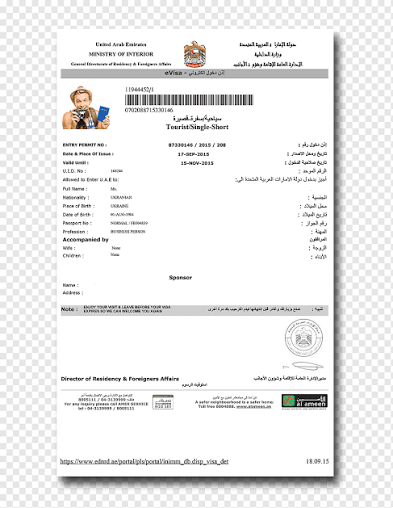
The United Arab Emirates (UAE) remains one of the world’s most attractive destinations for professionals seeking tax-efficient salaries, international career growth, and access to rapidly expanding industries. From finance and healthcare to hospitality, logistics, construction, aviation, and information technology, the UAE continues to attract skilled workers from every continent. According to the UAE Government, foreign nationals cannot legally work in the country without obtaining an approved work permit and, where applicable, a residence visa sponsored by an eligible employer. The Ministry of Human Resources and Emiratisation (MoHRE) currently administers multiple categories of work permits designed for different employment situations, including overseas recruitment, temporary assignments, part-time work, and project-based employment. Recent government reforms have also streamlined the application process through digital services and expanded the available work permit categories, making hiring faster and more efficient for employers and employees alike.
Many people mistakenly believe that a UAE work visa is a single document. In reality, it is a process involving several approvals. The employer first secures a work permit, allowing the individual to work legally. Once the employee enters the UAE, medical examinations, Emirates ID registration, and residence visa issuance are completed before employment officially begins. This structured approach protects both employers and employees while ensuring compliance with UAE labour laws. Whether you are applying from Pakistan, India, the Philippines, Europe, Africa, or elsewhere, understanding each stage of the process significantly improves your chances of a smooth transition to working in the Emirates. The latest government guidance also emphasizes that employers—not employees—must initiate most work permit applications through official MoHRE systems.
What Is a UAE Work Visa?
A UAE work visa is commonly used as a general term describing the legal authorization allowing a foreign national to live and work in the Emirates. Officially, however, the system consists of both a work permit and a residence visa. The work permit authorizes employment, while the residence visa permits legal residence for the approved duration of employment. Most standard employment residence visas are currently valid for two years, although some free-zone authorities may have different validity periods depending on applicable regulations. Renewal is generally possible as long as employment continues and all legal requirements remain satisfied.
The UAE has also introduced several specialized permit categories. These include temporary work permits for short-term employment, mission permits for project-based assignments, part-time permits, permits for dependents sponsored by family members, and permits supporting freelancers and skilled professionals under separate immigration pathways. These expanded options reflect the country’s growing and increasingly flexible labour market, allowing businesses to recruit talent according to operational needs rather than relying solely on traditional long-term employment contracts.
Types of UAE Work Visas
The UAE has modernized its immigration and employment framework to accommodate the needs of businesses, investors, skilled professionals, and freelancers. Rather than relying on a single type of employment authorization, the country now offers several categories of work permits tailored to different employment arrangements. This flexibility has helped the UAE strengthen its position as a global employment hub while ensuring that companies can recruit talent efficiently. Choosing the correct visa category is important because it determines the employee’s legal rights, duration of stay, renewal options, and eligibility to sponsor family members. Applicants should always verify with their employer which permit is being issued, as different sectors—including mainland companies, free zones, and government organizations—may follow slightly different procedures. Official guidance from the Ministry of Human Resources and Emiratisation (MoHRE) and the Federal Authority for Identity, Citizenship, Customs and Port Security (ICP) should always be consulted before submitting an application, as immigration regulations may be updated periodically.
Standard Employment Visa
The Standard Employment Visa is the most common route for foreign workers moving to the UAE. Under this arrangement, a licensed employer sponsors the employee and is responsible for obtaining the work permit, arranging the entry permit where required, completing the employee’s medical fitness examination, registering the individual for an Emirates ID, and securing the residence visa. Once these formalities are completed, the employee can legally live and work in the UAE for the approved period. The employer also has responsibilities under UAE labour law, including providing an employment contract, complying with wage protection regulations, and ensuring workplace rights are respected.
This visa category is widely used across industries such as construction, healthcare, retail, banking, aviation, education, tourism, hospitality, logistics, engineering, and information technology. Employees benefit from legal employment protections, while employers gain access to a regulated workforce supported by clear labour legislation. As long as the employment relationship continues and both parties comply with applicable regulations, the visa can generally be renewed before expiry.
Temporary and Mission Work Permits
Not every employer needs to hire workers on long-term contracts. Some companies require specialists for seasonal demand, urgent technical projects, equipment installation, training assignments, or consulting engagements lasting only a few weeks or months. To address these situations, the UAE provides Temporary Work Permits and Mission Work Permits.
These permits allow employers to recruit skilled professionals for limited durations without following the complete long-term employment process. Temporary permits are particularly useful for project-based industries where workforce requirements fluctuate throughout the year. Businesses benefit from greater flexibility, while professionals gain legal authorization to perform specialized assignments without committing to permanent relocation. These permits have become increasingly valuable in sectors such as engineering, oil and gas, renewable energy, event management, information technology, and industrial manufacturing.
Green Visa and Freelance Options
One of the UAE’s most significant immigration reforms has been the introduction of the Green Visa, designed to attract highly skilled professionals, freelancers, entrepreneurs, and self-employed individuals. Unlike traditional employment visas that depend entirely on employer sponsorship, eligible Green Visa holders enjoy greater independence while maintaining legal residency.
This option reflects the changing nature of the global workforce, where remote work, consulting, digital entrepreneurship, and freelance services continue to expand. Skilled professionals who meet education and income requirements may qualify independently, making the UAE increasingly attractive to technology experts, designers, software developers, writers, marketing consultants, financial advisors, and other specialists who prefer flexible career paths. These reforms demonstrate the country’s long-term strategy of attracting global talent while supporting innovation and economic diversification.
Eligibility Requirements
Obtaining a UAE work visa involves meeting eligibility requirements that apply to both the employee and the sponsoring employer. The UAE maintains these standards to ensure workplace safety, legal compliance, and effective labour market regulation. Although eligibility criteria differ slightly depending on the visa category and employment sector, the overall framework remains straightforward for qualified applicants.
Employee Requirements
Foreign workers must possess a valid passport with sufficient remaining validity, satisfy medical fitness requirements, and meet any educational or professional qualifications required for the position. Certain regulated professions—including doctors, nurses, pharmacists, engineers, teachers, lawyers, and accountants—may also require professional licensing or credential recognition before employment can begin.
Applicants should ensure that all educational certificates, experience letters, and professional qualifications are properly authenticated if requested by the employer or the relevant UAE authority. Maintaining accurate documentation from the beginning significantly reduces delays during visa processing. Employees are also expected to comply with UAE immigration laws and maintain a clean legal record throughout their employment.
Employer Requirements
Employers carry the primary responsibility for sponsoring foreign workers. Companies must hold valid business licenses, comply with labour regulations, maintain good standing with the relevant authorities, and demonstrate a legitimate need to recruit overseas employees. The employer submits the work permit application through the official MoHRE system and coordinates subsequent immigration procedures.
Businesses are also responsible for providing an official employment contract outlining salary, job responsibilities, benefits, working hours, leave entitlements, and other employment conditions. These requirements help protect workers while ensuring transparency between employers and employees from the beginning of the employment relationship.
Required Documents
Preparing documentation carefully is one of the most important stages of the UAE work visa application process. Missing documents, inconsistent information, or expired paperwork can delay approval or require applicants to resubmit their applications. Although document requirements vary depending on nationality, occupation, and visa category, several core documents are commonly requested.
Personal Documents
Applicants are generally expected to provide:
| Document | Purpose |
|---|---|
| Valid passport | Identity verification and travel authorization |
| Passport-size photographs | Visa processing |
| Employment offer or contract | Proof of employment |
| Educational certificates | Qualification verification (where applicable) |
| Professional licenses | Required for regulated professions |
| Medical fitness certificate | Mandatory after arrival in the UAE |
| Emirates ID registration | National identity documentation |
Depending on the position, employers may request additional supporting documents such as police clearance certificates, experience letters, professional memberships, or authenticated academic transcripts. Preparing these documents before accepting a job offer often accelerates the recruitment process and reduces administrative delays.
Employer Documents
The sponsoring employer typically provides business registration documents, labour establishment details, approved job offers, work permit applications, and supporting records required by MoHRE and immigration authorities. Since these documents are submitted directly by the employer, employees should maintain regular communication with their HR department throughout the application process to track progress and address any additional requirements promptly.
Step-by-Step UAE Work Visa Application Process
Securing a UAE work visa involves several coordinated steps between the employer, the employee, and the relevant government authorities. Although much of the administrative work is handled by the sponsoring company, understanding the sequence helps applicants prepare the required documents on time and avoid unnecessary delays. Most employers have dedicated human resources teams that guide new hires through the process, but employees should still monitor each stage and respond promptly to document requests.
Job Offer and Employment Contract
Everything begins with a formal job offer from a UAE employer. Before accepting the offer, carefully review the salary, benefits, working hours, probation period, annual leave, accommodation (if provided), medical insurance, transportation allowances, and any other contractual terms. The UAE requires employers to issue employment contracts that clearly define these conditions, helping protect both parties.
Applicants should never rely solely on verbal promises. Ensure that the employment contract matches the original offer letter, particularly regarding salary, job title, and workplace location. If anything appears different, seek clarification before signing. A transparent employment agreement reduces the risk of misunderstandings after relocation.
Work Permit Approval
Once the employment contract is accepted, the employer applies for a work permit through the Ministry of Human Resources and Emiratisation (MoHRE) or the relevant free zone authority. During this stage, government officials verify that the company is legally authorized to recruit foreign workers and that the position complies with UAE labour regulations.
The employer submits supporting documentation, including company licensing information and employee details. In many cases, applicants simply need to provide scanned copies of their passport, photographs, educational qualifications, and any profession-specific certificates. If everything is in order, the work permit is approved and the immigration process moves to the next stage.
Entry Permit
For applicants residing outside the UAE, an entry permit is generally issued after the work permit receives approval. This permit allows the employee to legally enter the country for the purpose of completing residency formalities.
Upon arrival, employees should remain in close contact with their employer’s HR department, as several mandatory procedures must be completed within specified timeframes. Delays at this stage can affect the overall visa process, making prompt action essential.
Medical Examination and Emirates ID Registration
One of the most important legal requirements is the medical fitness examination. Applicants undergo health screening at government-approved medical centres, where routine tests are conducted according to UAE immigration regulations. Successful completion of the medical examination is required before the residence visa can be finalized.
Following the medical assessment, applicants register for their Emirates ID, the national identity card issued to UAE residents. During registration, biometric information such as fingerprints and facial photographs is collected. The Emirates ID serves as the primary identification document for residents and is required for banking, healthcare, telecommunications, housing, and many other daily activities.
Residence Visa Issuance
After completing the medical examination and Emirates ID registration, immigration authorities issue the employee’s residence visa. Once approved, the employee officially becomes a legal resident of the UAE and may begin working in accordance with the employment contract.
The residence visa also enables many expatriates to sponsor eligible family members, subject to meeting applicable salary and immigration requirements. Employees should monitor the visa’s expiration date and coordinate renewal with their employer well before it expires to maintain uninterrupted legal residency.
Costs, Processing Time, and Practical Tips
Applicants frequently ask how much a UAE work visa costs. The answer varies because the total expense depends on several factors, including the employer’s classification, company type (mainland or free zone), job category, and visa duration. In most cases, employers bear the official costs associated with obtaining the work permit and residence visa, although employment contracts should always be reviewed to understand any agreed responsibilities.
Estimated Processing Time
While processing times vary, a straightforward application generally progresses through the following stages:
| Stage | Typical Time |
|---|---|
| Work permit approval | 2–7 working days |
| Entry permit issuance | 2–5 working days |
| Medical examination | 1–3 days |
| Emirates ID processing | 5–10 working days |
| Residence visa completion | 5–10 working days |
Overall, many applicants complete the process within two to four weeks, provided all documentation is accurate and no additional verification is required.
Common Reasons for Delays or Rejection
Although the UAE has streamlined its immigration procedures, applications may still be delayed or refused for various reasons. Some of the most common issues include:
- Incomplete or inaccurate application forms.
- Expired passports or insufficient passport validity.
- Mismatched personal information across official documents.
- Missing educational or professional certifications.
- Failure to satisfy medical fitness requirements.
- Previous immigration violations or unresolved visa issues.
- Employer licensing or sponsorship problems.
Applicants can minimize these risks by reviewing every document carefully before submission and maintaining regular communication with their employer’s HR department.
Tips for a Smooth UAE Work Visa Experience
Moving to another country is exciting, but preparation makes the transition significantly easier. Before travelling to the UAE, organize both physical and digital copies of all important documents, including your passport, educational certificates, employment contract, and passport photographs. Having these readily available can save valuable time if additional verification is required.
Research your destination city in advance. Living costs differ considerably between Dubai, Abu Dhabi, Sharjah, Ajman, Ras Al Khaimah, Fujairah, Umm Al Quwain, and other emirates. Understanding accommodation expenses, transportation options, healthcare facilities, and local customs helps new residents adapt more comfortably.
Financial planning is equally important. While many employers provide accommodation or transportation allowances, others do not. Preparing an emergency fund for your first few months can reduce stress while settling into your new environment.
Learning about UAE workplace culture is another valuable investment. Professionalism, punctuality, respect for cultural diversity, and adherence to company policies contribute significantly to long-term career success. Building positive relationships with colleagues from different nationalities can also enrich both your professional and personal experience.
Conclusion
The United Arab Emirates work visa remains one of the most sought-after employment pathways for professionals seeking international career opportunities. Thanks to continuous government reforms, digital application systems, and flexible employment options, the process has become more efficient than ever before. Whether you are pursuing a long-term corporate position, a temporary project, or a freelance career under newer visa categories, understanding each stage of the application process greatly improves your chances of success.
Preparation is the key to a smooth relocation. Ensure your documents are complete, verify every detail of your employment contract, cooperate closely with your employer throughout the application process, and stay informed through official government sources. With careful planning, obtaining a UAE work visa can be the beginning of a rewarding professional journey in one of the world’s most dynamic economies.
Frequently Asked Questions (FAQs)
1. Can I apply for a UAE work visa without a job offer?
In most cases, no. A standard employment visa requires sponsorship from a licensed UAE employer. Some independent residency options, such as certain Green Visa pathways, have separate eligibility criteria.
2. How long is a UAE work visa valid?
The validity depends on the visa category and issuing authority. Standard employment residence visas are commonly issued for two years, while other residency options may have different durations.
3. Who pays the UAE work visa fees?
Generally, the employer is responsible for official work permit and employment visa costs. Applicants should always review their employment contract to understand any agreed responsibilities.
4. Can I change employers while working in the UAE?
Yes. Employees may transfer to another employer, provided the applicable labour and immigration procedures are followed and the necessary approvals are obtained.
5. Can my family join me after I receive my work visa?
Yes. Many foreign workers become eligible to sponsor their spouse and children after obtaining their residence visa, provided they meet the applicable income and immigration requirements.