Travel Visa Guide for the USA, UK, Canada, and UAE (2026): Requirements, Documents, Fees, and Application Process
Introduction
Planning an international vacation is exciting, but obtaining the correct travel visa can often feel like the most challenging part of the journey. Whether your dream is to explore New York City’s skyline, experience London’s history, admire Canada’s breathtaking natural parks, or enjoy Dubai’s luxurious lifestyle, understanding each country’s visa requirements is essential before booking your flight.
Visa policies continue to evolve, with governments introducing new online systems, biometric requirements, and digital travel authorizations. For example, the UK Electronic Travel Authorisation (ETA) now applies to many visa-exempt travelers and costs £20, while traditional visitor visas remain mandatory for nationals who require them. The United States continues to require most visitors to apply for a B-2 Tourist Visa unless they qualify under the Visa Waiver Program. Canada maintains its Temporary Resident Visa (TRV) process for eligible travelers, while the UAE offers visa-free entry, visas on arrival, or advance tourist visas depending on nationality.
This guide explains everything you need to know about travel visas for the USA, UK, Canada, and UAE, including eligibility, required documents, application procedures, fees, processing times, and practical tips to improve your chances of approval.
Understanding Travel Visas
A travel visa is official permission issued by a country that allows a foreign citizen to enter for a specific purpose and duration. Tourist visas are among the most common visa categories because they allow travelers to visit family, enjoy holidays, attend short recreational events, or receive medical treatment without engaging in employment.
Although many travelers think receiving a visa guarantees entry, immigration officers always make the final decision at the border. This means applicants should carry supporting documents such as hotel reservations, return tickets, travel insurance where required, and proof of sufficient financial resources.
Different countries also classify visas differently. Some issue electronic travel authorizations, others require biometric appointments, and some allow visa-on-arrival for selected nationalities. Understanding these differences before applying saves both time and money.
USA Tourist Visa
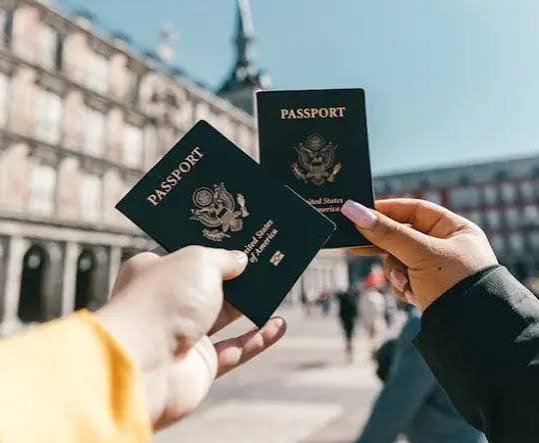
The United States B-2 Visitor Visa is designed for tourism, vacations, visiting relatives, and medical treatment. Most foreign nationals require this visa unless they are citizens of countries participating in the Visa Waiver Program (VWP), which allows eligible travelers to visit the U.S. for up to 90 days with approved ESTA authorization. Canadian citizens generally do not require a tourist visa for short visits.
Applicants typically complete the DS-160 online application, pay the required visa fee, schedule a biometric appointment where applicable, and attend an interview at a U.S. embassy or consulate. During the interview, officers usually assess whether the applicant has sufficient financial resources, genuine travel intentions, and strong ties to their home country.
Typical supporting documents include:
| Document | Purpose |
|---|---|
| Valid Passport | Identity verification |
| DS-160 Confirmation | Visa application |
| Photograph | Official records |
| Financial Statements | Proof of funds |
| Employment or Business Documents | Home-country ties |
| Travel Itinerary | Planned visit |
Strong documentation, honest answers, and a realistic travel plan significantly improve the likelihood of approval.
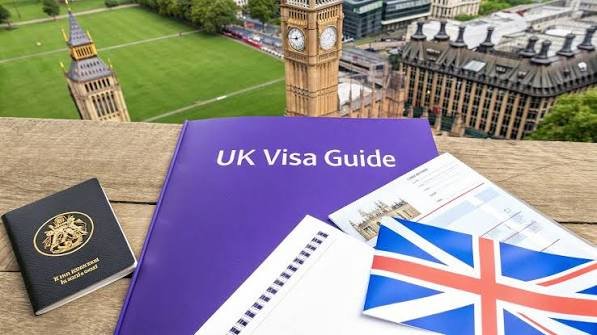
UK Visitor Visa
The United Kingdom welcomes millions of tourists every year. Depending on nationality, travelers either require a Standard Visitor Visa or an Electronic Travel Authorisation (ETA).
The UK’s ETA currently costs £20 and allows eligible visitors to stay for up to six months for tourism, business meetings, or visiting family. Travelers who require a Standard Visitor Visa must apply online, submit supporting documents, and attend a biometric appointment before traveling.
Applicants generally need to provide:
- A valid passport
- Bank statements
- Employment evidence
- Travel itinerary
- Accommodation details
- Proof they intend to leave the UK after their visit
Immigration officers focus heavily on whether applicants can financially support themselves and whether they have sufficient reasons to return home after their trip.
Canada Visitor Visa
Canada remains one of the world’s most desirable travel destinations, attracting millions of visitors each year with its spectacular landscapes, multicultural cities, and welcoming atmosphere. Whether you plan to visit the majestic Rocky Mountains, experience the vibrant culture of Toronto, or witness the breathtaking Northern Lights, most travelers must obtain either a Temporary Resident Visa (TRV) or an Electronic Travel Authorization (eTA), depending on their nationality. The Canadian government evaluates every application individually, considering factors such as financial stability, travel history, and the likelihood that the visitor will leave Canada before their authorized stay expires.
Applying for a Canadian visitor visa begins with completing the online application through the Immigration, Refugees and Citizenship Canada (IRCC) portal. Applicants are typically required to submit a valid passport, recent photographs, proof of financial support, travel itinerary, evidence of employment or business ownership, and documents showing family or financial ties to their home country. In many cases, applicants also need to provide biometric information, including fingerprints and a photograph, at an authorized Visa Application Centre. Immigration officers carefully review these documents to determine whether the applicant genuinely intends to visit temporarily and has sufficient resources to support their stay. Processing times vary depending on the applicant’s country of residence, seasonal demand, and whether additional background checks are necessary.
Travelers should also understand that receiving a visitor visa does not automatically guarantee entry into Canada. Border Services Officers make the final decision upon arrival after reviewing travel documents and asking questions about the purpose of the visit. Carrying hotel reservations, return flight confirmations, travel insurance, and invitation letters (if visiting friends or relatives) can make the entry process smoother. Proper preparation demonstrates credibility and helps reassure immigration officials that the traveler intends to comply with Canadian immigration laws.
UAE Tourist Visa
The United Arab Emirates has become one of the fastest-growing tourism destinations in the world, thanks to iconic cities such as Dubai and Abu Dhabi. Modern skyscrapers, luxury shopping, desert adventures, pristine beaches, and world-class entertainment attract millions of international visitors every year. One of the biggest advantages for travelers is the UAE’s flexible visa system. Depending on nationality, visitors may receive visa-free entry, a visa on arrival, or may need to apply for a tourist visa before departure.
Tourist visas are commonly available for 30-day or 60-day stays, with options for extensions in many circumstances. Applications can be submitted through UAE airlines, licensed travel agencies, hotels, or official government immigration portals. The required documents generally include a passport valid for at least six months, passport-sized photographs, confirmed flight reservations, hotel bookings or accommodation details, and proof of sufficient financial resources. Some applicants may also be asked to provide travel insurance, especially if recommended by their airline or travel provider.
The UAE immigration system is known for its relatively quick processing times, with many tourist visas approved within a few business days. However, travelers should carefully verify visa validity dates and entry conditions before making travel arrangements. Overstaying a visa may result in fines or restrictions on future travel. Visitors should also remain aware of local laws and cultural expectations, as respecting local customs contributes to a pleasant and trouble-free experience throughout their stay.
Visa Comparison Table
| Feature | USA | UK | Canada | UAE |
|---|---|---|---|---|
| Main Tourist Visa | B-2 Visitor Visa | Standard Visitor Visa | Temporary Resident Visa (TRV) | Tourist Visa |
| Typical Stay | Up to 6 months | Up to 6 months | Up to 6 months | 30–60 days |
| Interview Required | Usually Yes | Sometimes | Usually No | Rare |
| Biometrics | Usually Required | Required | Usually Required | Depends |
| Online Application | Yes | Yes | Yes | Yes |
| Processing Time | Varies | Varies | Varies | Often a few business days |
This comparison illustrates that while every destination has unique immigration procedures, the overall objectives remain similar. Governments seek to confirm the visitor’s identity, financial ability, travel purpose, and intention to return home after the visit. Preparing a complete application with accurate information is one of the most effective ways to improve approval chances.
Common Reasons for Visa Refusal
Many visa applications are refused not because applicants intend to violate immigration rules but because their documentation fails to convince immigration officers of their eligibility. Understanding the most common reasons for refusal allows travelers to prepare stronger applications and avoid unnecessary delays or repeated submissions.
Some of the most frequent reasons include insufficient proof of financial resources, inconsistent information on application forms, weak evidence of employment or family ties in the home country, incomplete documentation, and previous immigration violations. Immigration officers may also refuse applications if they believe the applicant’s travel purpose is unclear or if interview responses contradict the written application. Providing false information or forged documents can lead to immediate refusal and may result in long-term travel restrictions.
Applicants should carefully review every document before submission, ensure that dates and personal information are accurate, and include supporting evidence wherever possible. Honest, consistent, and well-organized applications create a positive impression and reduce the likelihood of unnecessary complications.
Expert Tips for Faster Approval
Although no applicant can guarantee visa approval, several practical strategies can strengthen an application. First, apply well in advance of your intended travel date to allow sufficient time for processing and possible requests for additional documents. Last-minute applications often create unnecessary stress and leave little room to resolve unexpected issues.
Maintain a clear and realistic travel itinerary that matches your stated purpose of visit. If you intend to spend two weeks sightseeing, ensure your hotel reservations, flight bookings, and planned activities reflect that timeline. Demonstrating stable employment, business ownership, or ongoing education can further reassure immigration officers that you have compelling reasons to return home. Strong financial documentation, including recent bank statements and proof of regular income, also contributes significantly to a successful application.
Finally, always answer questions honestly during interviews and border inspections. Immigration officers are trained to identify inconsistencies, and transparent communication helps establish credibility. A well-prepared applicant who provides complete documentation and truthful information stands a much better chance of receiving a favorable decision.
Conclusion
International travel offers unforgettable opportunities to experience new cultures, landscapes, cuisines, and traditions. Whether your destination is the bustling streets of New York, the historic landmarks of London, the natural beauty of Canada, or the modern attractions of Dubai, understanding visa requirements is an essential step in planning a successful journey.
Each country follows its own immigration policies, but the principles remain remarkably similar. Applicants must demonstrate genuine travel intentions, financial capability, and a commitment to respecting immigration laws. Careful preparation, accurate documentation, and early application significantly improve the chances of obtaining a tourist visa without unnecessary complications.
By researching current requirements, organizing supporting documents, and following official application procedures, travelers can focus less on paperwork and more on enjoying the exciting adventures that await them abroad.
Frequently Asked Questions
1. Which country has the easiest tourist visa process?
The answer depends on your nationality. The UAE generally offers one of the simplest tourist visa processes, while some travelers can enter without obtaining a visa in advance.
2. Can I apply for multiple tourist visas at the same time?
Yes. Many travelers apply for visas to different countries simultaneously, provided they meet each country’s eligibility requirements and submit separate applications.
3. Is travel insurance mandatory?
Travel insurance is strongly recommended for all international trips. Some countries or airlines may require it depending on your nationality or visa type.
4. How long should my passport be valid?
Most countries require passports to remain valid for at least six months beyond the planned date of arrival.
5. Does a visa guarantee entry?
No. A visa allows you to travel to a country’s border, but the final decision to admit you is made by immigration officers upon arrival.