

Skilled Worker Visa UK, USA & UAE (2026): Complete Guide
A Skilled Worker Visa allows qualified professionals to work legally in another country where employers face shortages of skilled labor. Countries such as the United Kingdom, the United States, and the United Arab Emirates continue to attract millions of professionals every year by offering employment opportunities across healthcare, engineering, information technology, finance, education, construction, hospitality, and many other industries.
In 2026, immigration policies continue to evolve to address labor shortages while ensuring employers hire qualified workers. Governments are updating salary thresholds, occupation shortage lists, sponsorship rules, and employer compliance requirements. Understanding these changes before applying can significantly improve your chances of obtaining a visa successfully.
Whether you are a software engineer, registered nurse, electrician, accountant, teacher, doctor, chef, mechanic, or construction professional, understanding the visa process is essential before investing time and money. This guide explains the eligibility criteria, required documents, costs, application procedures, processing times, and practical tips for obtaining a skilled worker visa in the UK, USA, or UAE.
Understanding Skilled Worker Visas
A Skilled Worker Visa is a work authorization issued to foreign nationals who possess qualifications, experience, or specialized skills required by employers in another country. Unlike tourist or visitor visas, skilled worker visas permit legal employment under specific conditions and usually require sponsorship from an approved employer.
Many developed economies experience workforce shortages due to aging populations, economic growth, and expanding industries. Skilled immigration programs help fill these labor gaps while supporting economic development. Employers benefit by accessing international talent, while workers gain higher salaries, career advancement, and opportunities for permanent residency in some countries.
Depending on the destination, applicants may need to demonstrate educational qualifications, relevant work experience, English language proficiency, health insurance, police clearance certificates, and proof of financial stability. Some countries operate points-based immigration systems, while others rely primarily on employer sponsorship.
UK Skilled Worker Visa (2026)
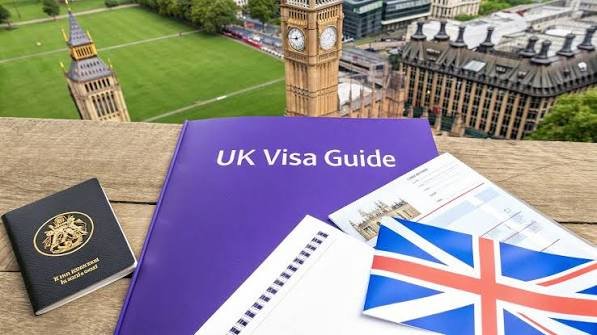
The UK Skilled Worker Visa remains one of the most popular immigration pathways for qualified professionals seeking employment in the United Kingdom. Introduced as part of the UK’s points-based immigration system, this visa allows eligible overseas workers to take up jobs with licensed employers across England, Scotland, Wales, and Northern Ireland. The program is designed to address labor shortages in sectors such as healthcare, engineering, education, information technology, construction, hospitality, finance, and social care. As labor market demands continue to evolve in 2026, the UK government regularly updates salary thresholds and occupation lists to ensure employers can recruit skilled talent where domestic shortages exist.
Applicants must generally receive a genuine job offer from a UK employer that holds a valid sponsor licence. The employer issues a Certificate of Sponsorship (CoS), which is an essential part of the visa application. Candidates are also expected to satisfy English language requirements, meet the applicable salary threshold for their occupation, and demonstrate that they have the skills needed for the role. Many workers appreciate this visa because it can provide a pathway to long-term residence and, eventually, settlement if all eligibility conditions continue to be met.
Eligibility Requirements
To qualify for a UK Skilled Worker Visa, applicants typically need to satisfy several important conditions. The job must be offered by an approved sponsor, and it must fall within an eligible occupation listed by UK immigration authorities. Salary requirements vary depending on the occupation and individual circumstances, but applicants generally need to earn at least the minimum salary threshold or the “going rate” for their profession. Some shortage occupations may benefit from different salary rules.
Applicants also need to prove their English language ability through an approved test or by holding a recognized qualification taught in English, where applicable. In many cases, applicants must provide a valid passport, employment details, and supporting documentation that confirms their qualifications and work experience. Maintaining accurate documentation throughout the application process significantly improves the likelihood of a successful outcome.
Required Documents

Preparing complete documentation before applying helps avoid unnecessary delays. Although individual circumstances vary, most applicants should prepare:
| Document | Purpose |
|---|---|
| Valid Passport | Identity verification |
| Certificate of Sponsorship (CoS) | Employer sponsorship confirmation |
| Employment Offer Letter | Confirms job details |
| Educational Certificates | Demonstrates qualifications |
| Professional Licenses | Required for regulated occupations |
| English Language Test Results | Proof of language proficiency |
| Bank Statements (if applicable) | Financial evidence |
| Tuberculosis Test Certificate (where required) | Health requirement |
| Criminal Record Certificate (certain occupations) | Background verification |
Having clear, accurate, and up-to-date documents reduces the risk of application delays and requests for additional information.
Application Process
The UK Skilled Worker Visa application follows a structured process. First, applicants secure a job offer from a licensed UK employer. Once the employer assigns a Certificate of Sponsorship, the applicant completes the online visa application, uploads supporting documents, pays the relevant fees, and books a biometric appointment. Biometrics typically include fingerprints and a photograph for identity verification.
After submission, immigration authorities review the application to ensure all eligibility requirements are met. If additional documents are needed, applicants may receive a request for further information. Once approved, successful applicants receive permission to travel and begin employment in accordance with the conditions of their visa.
Costs and Processing Time
The total cost of obtaining a UK Skilled Worker Visa depends on factors such as visa duration, occupation, and whether dependants are included in the application. Typical expenses include:
- Visa application fee
- Immigration Health Surcharge (IHS)
- Biometric enrolment fee (where applicable)
- English language test fee
- Document translation or certification costs, if required
Processing times vary depending on the applicant’s country of residence, document completeness, and application volume. Many applications are processed within several weeks, while priority services may be available in some locations for faster decisions. Applicants are encouraged to apply well before their intended travel date to avoid unnecessary stress.
USA Skilled Worker Visa (2026)
The United States remains one of the world’s leading destinations for highly skilled professionals seeking career growth, competitive salaries, and access to innovative industries. Unlike the UK’s single Skilled Worker Visa route, the U.S. immigration system offers several employment-based visa categories, each designed for different types of workers and employers. Technology companies, healthcare organizations, universities, engineering firms, manufacturing businesses, and multinational corporations regularly sponsor foreign workers to fill positions that require specialized knowledge and expertise.
The U.S. employment-based immigration process is generally employer-driven. In most cases, a U.S. employer must file a petition on behalf of the foreign worker before a visa can be issued. Some visa categories are temporary and allow workers to stay for a limited period, while others can eventually lead to permanent residency through an employment-based Green Card. Understanding which visa category matches your qualifications is one of the most important steps before beginning the application process.
Employment-Based Visa Categories
The United States offers multiple employment visa options depending on the applicant’s qualifications and the nature of the job. Some of the most common categories include:
| Visa Category | Suitable For | Typical Duration |
|---|---|---|
| H-1B | Specialty occupations requiring a bachelor’s degree or equivalent | Up to 6 years (with extensions in some cases) |
| L-1 | Employees transferring within multinational companies | 1–7 years depending on category |
| O-1 | Individuals with extraordinary ability in science, arts, education, business, or athletics | Varies by employment |
| EB-2 | Professionals with advanced degrees or exceptional ability (immigrant visa) | Permanent residence pathway |
| EB-3 | Skilled workers, professionals, and certain other workers (immigrant visa) | Permanent residence pathway |
Each category has unique eligibility requirements, annual limits, and processing procedures. Applicants should carefully determine which option best fits their qualifications and long-term career goals.
Eligibility Criteria
Eligibility varies depending on the visa category, but most skilled worker applicants are expected to meet several common requirements. A valid job offer from a U.S. employer is generally essential, particularly for temporary work visas such as the H-1B. Applicants should possess the educational qualifications required for the position, and employers may need to demonstrate that the role genuinely requires specialized skills.
For permanent employment-based immigration, additional labor certification or employer sponsorship requirements may apply. Applicants should also maintain a clean immigration history, submit accurate documentation, and attend interviews when requested. Providing complete and truthful information throughout the application process is essential for a successful outcome.
Application Process
The U.S. skilled worker visa process usually begins when an employer identifies a qualified foreign candidate and files the necessary petition with the appropriate immigration authorities. Once the petition is approved, the applicant submits a visa application, pays the required fees, schedules a biometric appointment if necessary, and attends an interview at the U.S. embassy or consulate.
During the interview, immigration officers may ask questions about the job offer, qualifications, employer, work experience, and future employment plans. Applicants should answer honestly and provide any requested supporting documents. After approval, the visa is placed in the passport, allowing the worker to travel to the United States and begin employment under the conditions of the approved visa.
Fees and Processing Time
The overall cost of obtaining a U.S. skilled worker visa varies depending on the visa category, employer obligations, legal assistance, and government filing fees. Common expenses may include:
| Expense | Description |
|---|---|
| Visa Application Fee | Paid by the applicant |
| Petition Filing Fee | Usually paid by the sponsoring employer |
| Premium Processing Fee (optional) | Expedited processing for eligible petitions |
| Medical Examination | Required for some immigrant visa categories |
| Document Translation | If documents are not in English |
Processing times differ significantly by visa category and application volume. Temporary work visas may be processed within weeks or months, while employment-based immigrant visas can take considerably longer due to annual quotas and country-specific demand. Applicants should regularly monitor their case status and maintain communication with their sponsoring employer throughout the process.
UAE Skilled Worker Visa (2026)

The United Arab Emirates (UAE) has become one of the most attractive destinations for skilled professionals from around the world. With its rapidly growing economy, tax-friendly income structure, modern infrastructure, and diverse workforce, the UAE continues to recruit qualified workers in sectors such as healthcare, construction, engineering, information technology, aviation, finance, hospitality, education, logistics, and renewable energy.
Unlike some immigration systems that rely on points-based selection, the UAE primarily issues work visas through employer sponsorship. Once a company hires a foreign worker, it applies for the necessary work permit and residence visa on the employee’s behalf. This streamlined approach has helped make the UAE one of the fastest countries for processing employment visas, provided all documentation is complete and the employer meets regulatory requirements.
UAE Skilled Worker Visa (2026)
The United Arab Emirates Skilled Worker Visa is an important pathway for professionals who want to build their careers in one of the Middle East’s most dynamic economies. Cities such as Dubai, Abu Dhabi, Sharjah, and other emirates attract skilled workers from Asia, Europe, Africa, and other regions because of strong employment opportunities, international companies, and modern living standards. The UAE economy depends heavily on foreign professionals, especially in industries where specialized skills are required.
Unlike countries that operate traditional points-based immigration systems, the UAE mainly uses an employer-sponsored model. This means a company hiring a foreign worker usually handles the employment permit, residency process, medical examination, and other formal requirements. The employee receives legal permission to live and work in the UAE after completing the required procedures.
The UAE also offers additional pathways for talented individuals, including long-term residency options for certain categories of professionals, investors, entrepreneurs, scientists, and highly skilled specialists. These programs aim to attract global talent and encourage professionals to contribute to the country’s economic growth.
Eligibility Requirements for UAE Skilled Worker Visa
To qualify for a UAE work visa, applicants usually need a confirmed employment offer from a UAE-based company. The employer must be registered with the relevant government authorities and authorized to hire foreign workers.
Common requirements include:
- A valid passport with sufficient validity period
- An official employment contract
- Educational certificates for professional positions
- Relevant work experience
- Medical fitness certificate
- Security approval (where required)
- Approved work permit application
Certain professions may require additional approvals or professional licenses. For example, doctors, nurses, engineers, teachers, and financial professionals may need verification of their qualifications before they can legally practice their professions in the UAE.
Employers generally classify workers according to skill levels based on education, occupation, and professional experience. Higher-skilled professionals often have access to better employment opportunities and may qualify for additional benefits.
Required Documents for UAE Work Visa
Preparing correct documents is one of the most important steps in the UAE visa process. Missing or incorrect paperwork can delay approval.
| Document | Purpose |
|---|---|
| Passport Copy | Confirms identity and nationality |
| Passport Size Photos | Required for visa processing |
| Employment Contract | Shows job details and salary information |
| Educational Certificates | Confirms academic qualifications |
| Experience Certificates | Demonstrates professional background |
| Medical Fitness Report | Confirms health eligibility |
| Entry Permit | Allows legal entry for employment |
| Emirates ID Application | Required for residency services |
Some documents may need attestation from the applicant’s home country and approval from UAE authorities. Requirements can vary depending on nationality, profession, and employer type.
UAE Skilled Worker Visa Application Process
The UAE employment visa process usually follows several stages:
Step 1: Job Offer and Employment Contract
The process begins when a UAE employer selects a foreign candidate. The company provides an official employment offer that explains the job position, salary, benefits, and employment conditions.
Step 2: Work Permit Application
The employer applies for a work permit through the appropriate UAE authorities. After approval, the employee receives permission to enter the UAE for employment purposes if they are outside the country.
Step 3: Medical Examination
After arrival, workers must complete a medical fitness test at an approved health center. This is a mandatory requirement before receiving residency approval.
Step 4: Emirates ID and Residency Visa
Once all requirements are completed, the worker receives an Emirates ID and residence visa. This allows legal employment and access to various services within the UAE.
The overall process is usually faster compared with many Western immigration systems, especially when employers have experience handling international recruitment.
Comparison of UK, USA & UAE Skilled Worker Visas
Choosing the right country depends on your career goals, qualifications, financial expectations, lifestyle preferences, and long-term plans. Each destination offers unique advantages.
| Feature | UK Skilled Worker Visa | USA Skilled Worker Visa | UAE Skilled Worker Visa |
|---|---|---|---|
| Main Requirement | Sponsored job offer | Employer sponsorship | Employer sponsorship |
| Immigration System | Points-based | Employment categories | Employer-based |
| Permanent Residency | Possible after qualifying period | Possible through Green Card | Limited but long-term residency options available |
| Main Industries | Healthcare, IT, Engineering, Education | Technology, Healthcare, Research, Finance | Construction, IT, Healthcare, Hospitality |
| Language Requirement | English required | English usually expected | English commonly used in workplaces |
| Processing Speed | Medium | Medium to Long | Often Faster |
| Family Options | Available | Available depending on visa | Available depending on residency status |
Most In-Demand Skilled Worker Jobs in 2026
Global labor markets continue to experience shortages in several professional fields. Skilled workers with qualifications in these areas often have better opportunities for international employment.
Healthcare Professionals
Doctors, nurses, pharmacists, medical technicians, and healthcare administrators remain highly demanded worldwide. Aging populations and expanding healthcare systems have increased the need for qualified medical professionals.
Countries such as the UK, USA, and UAE actively recruit healthcare workers because healthcare services require experienced professionals throughout the year.
Information Technology Specialists
Technology continues to transform industries globally. Professionals working in software development, cybersecurity, artificial intelligence, cloud computing, and data analysis are among the most sought-after workers.
Companies worldwide compete for skilled technology professionals because digital transformation has become essential for business growth.
Engineering Professionals
Engineers specializing in civil, mechanical, electrical, renewable energy, and infrastructure projects continue to find international opportunities. Large construction projects and energy developments create ongoing demand for engineering expertise.
Finance and Business Professionals
Accountants, financial analysts, auditors, investment specialists, and business consultants are needed by international companies operating across global markets.
Skilled Trades Workers
Electricians, plumbers, mechanics, welders, technicians, and construction specialists are also highly valued, especially in countries experiencing infrastructure growth.
Tips to Increase Skilled Worker Visa Approval Chances
Applying for a skilled worker visa requires preparation and attention to detail. Many applications fail because candidates do not properly understand requirements or submit incomplete information.
Choose the Right Job Opportunity
A genuine employment offer from a recognized employer is one of the strongest foundations for a successful visa application. Avoid unreliable recruiters who promise guaranteed visas without proper employment contracts.
Improve Your Professional Profile
Strong qualifications, relevant certifications, and practical experience can significantly improve your chances of receiving international job offers.
Updating your CV, improving your LinkedIn profile, and collecting professional references can help attract employers.
Prepare Documents Early
Visa applications often require multiple documents, including educational records, employment certificates, identification documents, and language test results. Preparing these before applying can prevent unnecessary delays.
Understand Immigration Rules
Immigration policies change regularly. Applicants should always check the latest official requirements before submitting applications.
Avoid False Information
Providing incorrect documents or misleading information can result in visa refusal and may affect future immigration applications.
Conclusion
The UK, USA, and UAE skilled worker visa programs provide excellent opportunities for qualified professionals seeking international careers. Each country has its own immigration system, advantages, and challenges. The UK offers a structured pathway with possible settlement options, the USA provides access to one of the world’s largest economies and advanced industries, while the UAE offers fast employment opportunities and a growing international business environment.
Success depends on choosing the correct visa category, securing a legitimate job offer, preparing accurate documents, and meeting all eligibility requirements. Skilled professionals who invest time in improving their qualifications and understanding immigration procedures can significantly increase their chances of building a successful career abroad.
Frequently Asked Questions (FAQs)
1. What is the easiest country to get a skilled worker visa?
The easiest country depends on your profession, qualifications, and job demand. The UAE is often considered faster because employers handle most of the process, while the UK and USA may involve more detailed requirements.
2. Can I apply for a skilled worker visa without a job offer?
Most skilled worker visas require a job offer and employer sponsorship. However, some countries have separate talent or job-search programs for highly qualified individuals.
3. Which skilled jobs are most in demand in 2026?
Healthcare professionals, IT specialists, engineers, finance experts, teachers, and skilled technicians remain among the most demanded occupations internationally.
4. Can my family join me on a skilled worker visa?
Many skilled worker visa programs allow eligible dependants, including spouses and children, but requirements vary by country and visa category.
5. How long does a skilled worker visa process take?
Processing time depends on the country, visa type, employer, and application volume. UAE applications are often faster, while USA employment immigration categories may take longer.