J-1 / Q-1 USA Visa Full Guide: Requirements, Application Process, Fees, Work Rules and Disclaimer
The United States offers several temporary visa categories, but J-1 and Q-1 visas are especially interesting because both are connected to international exchange and cultural experiences. At first glance, they may sound similar, yet they are designed for very different purposes. A J-1 visa is primarily used for approved educational and cultural exchange programs, while a Q-1 visa is specifically intended for qualifying international cultural exchange programs that combine practical training or employment with sharing culture, traditions, and history. Choosing the wrong category can create delays, wasted money, or even a visa refusal, so understanding the difference before starting the application process is extremely important.
This guide explains the J-1 visa and Q-1 visa application process, eligibility requirements, documents, fees, work rules, duration, dependents, and important restrictions. U.S. immigration rules can change, and individual cases can be different, so applicants should always verify current instructions with the relevant U.S. government authorities and the U.S. embassy or consulate where they plan to apply. For the J-1 category, applicants generally need acceptance into an approved exchange program and a Form DS-2019 issued by a designated sponsor. Q-1 applicants follow a different path because the U.S. sponsor must first obtain approval through a petition process with USCIS before the participant applies for a visa.
What Is the J-1 USA Visa?
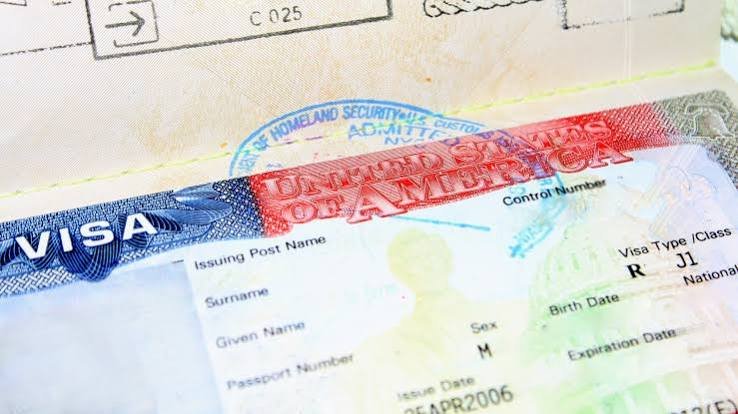
The J-1 visa is a nonimmigrant visa for foreign nationals who have been approved to participate in designated exchange visitor programs in the United States. It is not simply a general-purpose work visa or tourist visa. The program must fit within an authorized exchange category, and the applicant must be selected and sponsored by an appropriate organization. The U.S. Department of State lists exchange categories that include programs such as au pairs, camp counselors, interns, international visitors, physicians, professors and research scholars, short-term scholars, specialists, students, summer work travel participants, teachers, and trainees.
The central idea behind the J-1 program is exchange. Participants may study, teach, conduct research, train, work within authorized program rules, or participate in cultural activities depending on their category. The exact rights and limitations are therefore connected to the specific program rather than simply the word “J-1” printed on the visa. Someone participating as a research scholar does not necessarily have the same rules as someone entering through the Summer Work Travel category. This is why your program category and sponsor instructions are just as important as the visa itself.
Who Can Apply for a J-1 Visa?
A person cannot normally decide independently to apply for a J-1 visa without first being accepted into a qualifying exchange visitor program. The first major requirement is finding a suitable program administered by a designated sponsor. After the sponsor screens and selects the participant, the participant is registered in the appropriate system and receives the necessary documentation, including Form DS-2019, which is a Certificate of Eligibility for Exchange Visitor Status.
J-1 applicants must also satisfy the requirements of their particular exchange category. According to the official BridgeUSA guidance, sponsors screen participants based on program eligibility, and exchange participants generally must meet applicable English-language proficiency and insurance requirements. Sponsors also have responsibilities involving pre-arrival information, orientation, and monitoring during the program. Receiving a DS-2019 is important, but it does not guarantee that a consular officer will issue the visa. Visa applicants must still establish eligibility during the visa application and interview process.
Popular J-1 Exchange Visitor Categories
The J-1 program covers a wide range of people, which is one reason it can seem confusing. Students may use certain J-1 programs for educational exchanges, while graduates and professionals may participate through internships, traineeships, research, teaching, or specialist programs. Other categories are designed around cultural and temporary work experiences, such as au pair, camp counselor, and Summer Work Travel programs. The U.S. Department of State’s official list also includes physicians, government visitors, professors, research scholars, and short-term scholars.
The important point is that J-1 eligibility depends on the exact program category. You should never assume that qualifying for one J-1 category automatically qualifies you for another. Age, educational background, professional experience, English ability, program objectives, funding, and sponsor-specific rules may all matter. Think of the J-1 visa as a train ticket with a specific destination rather than an unlimited travel pass: your approved program determines where the immigration journey is supposed to go and what activities you may legally perform along the way.
How to Apply for a J-1 Visa Step by Step
The J-1 process usually starts with the exchange program, not the embassy appointment. First, identify a legitimate program that matches your background and goals. You then apply to the program or designated sponsor and complete its selection requirements. Once accepted, the sponsor provides the necessary information and issues Form DS-2019. The Department of State explains that acceptance into a qualifying program leads to SEVIS registration, after which the applicant follows applicable SEVIS fee requirements before continuing with the visa process.
The next stage generally involves completing the DS-160 online nonimmigrant visa application, paying the applicable visa application fee, and following the appointment instructions of the U.S. embassy or consulate. You should carefully review local embassy instructions because procedures for scheduling, document submission, and fee payment can vary by location. At the interview, the consular officer may ask questions about your program, sponsor, background, finances, and plans. Answer honestly and consistently. Trying to memorize an artificial speech can be less useful than clearly understanding your own program and being able to explain it naturally.
J-1 Visa Required Documents
Document requirements can vary according to your nationality, program category, and embassy or consulate. Still, a J-1 applicant will generally need a valid passport, a completed DS-160 confirmation page, a photograph meeting the required standards if applicable, proof of payment for required fees, and the Form DS-2019 issued by the designated sponsor. Applicants should also prepare program-specific supporting documents when requested.
Additional evidence may include educational records, employment history, financial documents, proof of professional qualifications, or documents explaining the purpose of the exchange. Your sponsor may also provide program details that help explain your role in the United States. The best approach is not to carry random piles of unrelated paperwork. Instead, organize documents that directly support the facts in your application. Your passport, DS-160, DS-2019, and evidence supporting your program should tell one clear and consistent story about why you are traveling to the United States and what you will do during your authorized exchange.
J-1 Visa Fees and Program Costs
The total cost of a J-1 journey can involve several separate expenses. These may include the sponsor’s program fee, the SEVIS I-901 fee when applicable, the nonimmigrant visa application processing fee, and potentially a visa issuance or reciprocity fee depending on nationality. Travel, health insurance, accommodation, document preparation, and other personal expenses can add further costs. Because sponsor fees vary significantly by program and duration, there is no single universal “J-1 visa price.”
Official BridgeUSA guidance advises applicants to obtain a breakdown of program costs directly from the sponsor. The Department of State also directs applicants to review current visa fee information and reciprocity rules. Some government-sponsored exchange participants may qualify for exemptions from certain fees under specific conditions, so applicants should not assume that every J-1 participant pays exactly the same amount. Before making payment, confirm the latest amount through official U.S. government and embassy instructions because visa fees and procedures may change.
Can J-1 Visa Holders Work in the USA?
The answer is yes in some situations, but only within authorized rules. A J-1 visa is not an unrestricted open work permit. The activity you perform must be allowed under your particular exchange category and program arrangements. Official BridgeUSA guidance states that an exchange visitor is only allowed to perform the activity listed on the Form DS-2019 and activities permitted under the regulations for that exchange category.
This restriction is extremely important. A J-1 participant should not simply accept unrelated employment because someone offers cash or because another person says that “everyone does it.” Unauthorized employment can create serious immigration problems. If you have questions about whether a job or activity is permitted, contact your program sponsor or the responsible officer rather than relying on social-media advice. Your sponsor is directly connected to your exchange program and is responsible for monitoring the program and helping participants understand the applicable requirements.
J-1 Visa Duration and Length of Stay
There is no single duration that applies to every J-1 visa holder. The permitted program period depends on the specific exchange category and approved program. Your Form DS-2019 is therefore a key document because it reflects your exchange program information. Some programs are relatively short, while academic, research, training, and other categories may operate under different time limits.
Applicants should also understand that a visa stamp and authorized immigration status are related but not identical concepts. A visa is generally used to seek admission to the United States, while your authorized activity and program participation are governed by the rules applicable after admission. Maintaining valid J-1 status means following your program requirements and keeping appropriate records current through the required channels. If you need to extend, transfer, change, or otherwise alter your program, speak with your sponsor before taking action. Immigration status is not something that should be managed casually after a program has already ended.
J-2 Visa for Spouses and Children
Certain family members of an eligible J-1 exchange visitor may apply for J-2 dependent status. Official guidance identifies J-2 dependents as the spouse and unmarried minor children under age 21 who accompany the principal exchange visitor, subject to the relevant program and immigration rules. Family members who qualify are generally connected to the principal J-1 participant’s status and program.
A family should not assume that receiving J-2 status gives every dependent unlimited rights identical to the principal participant. Questions about study, employment authorization, insurance, and duration should be reviewed carefully under current rules. The J-1 sponsor is also an important source of information because the sponsor manages the exchange program and related participant records. Families should plan early, especially when they need visas, insurance, school arrangements, or other practical preparations before travel.
Understanding the J-1 Two-Year Home Residency Requirement
One of the most discussed J-1 issues is the two-year home-country physical presence requirement, often associated with section 212(e) of U.S. immigration law. Not every J-1 participant is subject to this requirement. The Department of State explains that it can apply when one or more qualifying circumstances exist, including certain government-funded exchange programs, participation involving designated specialized knowledge or skills connected to a country’s Exchange Visitor Skills List, or graduate medical education or training.
If the requirement applies, the consequences can affect eligibility for certain immigration benefits until the requirement is satisfied or an approved waiver is obtained. This is a highly individual area of immigration law, so applicants should not guess based solely on a friend’s experience. Two people with J-1 visas may face different requirements depending on their funding, program, field, and circumstances. If this issue could affect your future immigration plans, check your documents and seek qualified professional guidance when necessary.
What Is the Q-1 USA Visa?
The Q-1 visa is for participants in qualifying international cultural exchange programs in the United States. The purpose is different from the broader J-1 exchange visitor system. According to the U.S. Department of State, Q-1 programs involve practical training and employment while allowing participants to share the history, culture, and traditions of their home country with the American public.
The Q-1 route is also structurally different because the participant does not simply obtain sponsorship and receive a document like the J-1 DS-2019 process. Instead, the U.S. sponsor must obtain advance approval through a petition filed with USCIS. Once the petition process is successfully completed and the applicant meets the visa requirements, the participant can proceed with the relevant consular visa application steps. This makes the Q-1 category a specialized option rather than a general visa for anyone who wants to work and experience American culture.
Who Is Eligible for a Q-1 Visa?
Q-1 participants must be connected to an approved international cultural exchange program and meet the requirements associated with that program. The core concept is active cultural sharing combined with the practical components of the program. The participant should be prepared to represent or share meaningful aspects of their country’s culture, history, traditions, heritage, or customs as part of the exchange experience.
The sponsoring organization plays a major role because it must establish and operate a qualifying program and complete the required USCIS petition process. For this reason, an individual cannot normally bypass the sponsoring organization and independently create a Q-1 visa application. If someone claims they can sell you a “guaranteed Q-1 visa” without explaining the sponsoring employer, petition approval, program details, and cultural exchange component, treat that claim carefully. Genuine U.S. immigration processes involve official documentation and eligibility review, not simply payment for a visa label.
How to Apply for a Q-1 Visa
The Q-1 process begins with the U.S. sponsor, which must file the appropriate petition with USCIS for the international cultural exchange program participant. The Department of State specifically states that applicants seeking to participate in an international cultural exchange program must receive advance USCIS approval based on a petition filed by the U.S. sponsor.
After the petition is approved, the applicant generally follows the nonimmigrant visa application process at the appropriate U.S. embassy or consulate. This can involve completing Form DS-160, paying applicable fees, scheduling an interview, and presenting supporting documentation. Applicants should follow the exact instructions provided by the embassy or consulate because local procedures can differ. An approved petition is an important part of the process, but applicants should still be truthful, complete, and prepared during the visa application stage.
Q-1 Visa Documents You May Need
The exact documentation depends on the case and consular instructions, but applicants should expect to provide standard nonimmigrant visa documents along with evidence related to the approved Q-1 program. This may include a valid passport, DS-160 confirmation, visa fee information where applicable, and documentation connected to the approved petition and sponsoring organization.
You may also need evidence demonstrating your qualifications for the cultural exchange role or information explaining the nature of the program. The consular officer must be able to understand what you are traveling to do, who is sponsoring the activity, and how the proposed activity fits the Q-1 category. Keep your documents organized and consistent with the petition. A mismatch between your answers, supporting records, and the program description can create unnecessary concerns, so accuracy matters more than producing a huge stack of irrelevant papers.
Q-1 Visa Duration and Employment Rules
Q-1 status is designed around the approved cultural exchange program rather than unrestricted employment. USCIS materials describe the Q-1 category as allowing participation in an international cultural exchange program involving training and work for a period that can be up to 15 months, subject to the applicable rules and approval. The program’s practical employment component must remain connected to the authorized exchange purpose.
Participants should not treat Q-1 status as a shortcut to work for any employer in the United States. The activity is connected to the sponsoring employer and approved program. Changing employers or significantly changing the nature of the program may require immigration action rather than an informal arrangement. Before accepting any different role, moving to another employer, or making major changes, consult the sponsor and obtain qualified immigration advice if needed. U.S. immigration categories are built around specific legal purposes, and the Q-1 category is no exception.
Can Q-1 Visa Holders Bring Their Family?
Unlike the J-1 category, the Q-1 classification does not have a corresponding dependent category for spouses and children to accompany the principal Q-1 participant in Q-dependent status. USCIS materials specifically state that there is no corresponding category for Q-1 dependents.
This does not automatically mean family members can never travel to the United States for any reason. They may potentially qualify under another appropriate immigration category based on their own circumstances, but that is a separate issue and should not be confused with a dependent Q visa. Families should carefully review their individual options rather than assuming that the spouse or children automatically receive immigration status simply because the principal applicant is approved for Q-1 participation.
J-1 vs Q-1 Visa: Main Differences
The easiest way to understand the difference is to focus on purpose and sponsorship. The J-1 system covers multiple educational and cultural exchange categories administered through Department of State-designated sponsors. Q-1 is narrower and focuses on qualifying international cultural exchange programs combining practical training or employment with cultural sharing, with advance USCIS petition approval by the U.S. sponsor.
| Feature | J-1 Visa | Q-1 Visa |
|---|---|---|
| Main purpose | Approved educational and cultural exchange | International cultural exchange with practical training/employment |
| Main program authority | U.S. Department of State exchange program system | USCIS petition process for qualifying Q programs |
| Key program document/process | Form DS-2019 issued by designated sponsor | Advance petition approval filed by U.S. sponsor |
| Work | Only as permitted by category and program rules | Connected to the approved cultural exchange program |
| Dependents | Eligible spouse and unmarried children under 21 may qualify for J-2 | No corresponding Q dependent category |
| Duration | Depends on exchange category and approved program | Can be up to 15 months under applicable rules |
| Two-year home requirement | May apply to certain J-1 participants | Not the same J-1 212(e) framework |
This comparison is a simplified guide, not a substitute for official case-specific instructions. The most important decision is choosing the category that genuinely matches the purpose of your travel. Applying for a visa category simply because someone says it is “easy” can be like using the wrong key for a lock: you may spend time trying, but it still will not open the door if your circumstances do not match the legal requirements.
How to Prepare for the U.S. Visa Interview
Preparation should focus on understanding rather than memorization. For a J-1 applicant, you should know your sponsor, exchange category, program location, planned activities, and why the program fits your background. For a Q-1 applicant, you should understand the cultural exchange program, sponsoring organization, approved role, and the cultural aspects you will share through the program.
Answer every question truthfully. Never submit fake bank statements, altered documents, false employment letters, or invented educational records. A visa application is an official immigration process, and misleading information can have serious consequences. Be prepared to explain your plans clearly, but do not try to give speeches that sound copied from the internet. If you genuinely understand your program, straightforward answers are usually easier to give consistently than complicated rehearsed stories. The consular officer decides visa eligibility based on the application and interview under applicable law, even when the applicant has been accepted into a program.
Common Reasons for J-1 or Q-1 Visa Problems
Many visa problems begin before the interview. Applicants sometimes choose unofficial agents, misunderstand the visa category, fail to read sponsor instructions, or submit documents that do not match their actual background. Another major issue is assuming that acceptance into a program automatically guarantees visa issuance. Official State Department guidance makes clear that visa issuance remains subject to the consular officer’s decision.
Problems can also arise when applicants give inconsistent answers about their education, work history, funding, program purpose, or future plans. A small inconsistency may sometimes be explained, but deliberate deception is far more serious. The safest strategy is to build your application around accurate information from the beginning. Review your DS-160 before submission, make sure dates and names are correct, understand the details of your exchange program, and keep copies of important records. Good preparation is not about making your case look artificially perfect; it is about making sure the facts are complete, consistent, and truthful.
Important Tips Before Applying
Start by verifying the legitimacy of the sponsor or program. J-1 applicants should work through the proper designated exchange program structure, while Q-1 applicants should understand the identity and role of the U.S. sponsor responsible for the petition. Do not transfer money to an agent simply because they promise a “100% guaranteed visa.” No private agent can guarantee a U.S. visa decision.
You should also budget for the full process rather than focusing only on the embassy fee. Depending on the program, you may have sponsor costs, SEVIS-related costs where applicable, insurance, travel, accommodation, and personal expenses. Keep checking official instructions because procedures and fees can change. For Pakistani applicants and applicants from other countries, country-specific reciprocity and embassy information may affect certain fees or procedures, so always review the official instructions applicable to your nationality and application location before making final plans.
Conclusion
The J-1 and Q-1 USA visas can both create valuable opportunities for international exchange, but they are not interchangeable. J-1 is the broader exchange visitor category covering numerous approved educational and cultural programs, while Q-1 is a specialized international cultural exchange category involving practical training or employment and cultural sharing through a program supported by a U.S. sponsor and approved through the required USCIS petition process.
Your strongest application begins with choosing the correct category. If your purpose is an approved educational, research, training, teaching, or other designated exchange activity, the J-1 route may be appropriate depending on your eligibility. If you are entering a qualifying international cultural exchange program with the specific cultural and employment components required for Q-1 participation, the Q-1 route may be relevant. Always rely on official instructions, follow sponsor guidance, submit truthful information, and obtain qualified immigration advice for complicated cases. Immigration rules can change, and no online article can replace an individualized review of your circumstances.
Disclaimer
This article is provided for general informational and educational purposes only. It does not constitute legal advice, immigration advice, financial advice, or a guarantee of visa approval. U.S. visa laws, fees, procedures, eligibility requirements, embassy practices, and program rules may change at any time. Every applicant’s circumstances are different, and the information in this article may not apply to your individual case. Always verify current requirements with official U.S. government sources, your designated program sponsor where applicable, and the U.S. embassy or consulate handling your application. For legal questions or complicated immigration matters, consult a qualified U.S. immigration attorney or another appropriately authorized professional. The author and publisher are not responsible for decisions, losses, delays, visa refusals, or other consequences resulting from reliance on this general information.
FAQs
1. Is the J-1 visa the same as a work visa?
No. The J-1 visa is an exchange visitor category, and any work or training must be authorized under the specific exchange category and program rules. J-1 holders cannot assume they have unrestricted permission to work for any employer. The Form DS-2019 and applicable regulations help define the authorized activity. If you are uncertain about employment, contact your program sponsor before beginning the work.
2. Can I apply for a J-1 visa without a sponsor?
Generally, no. Participation requires sponsorship through the appropriate designated exchange visitor program, and the sponsor is responsible for selecting eligible participants and issuing Form DS-2019. You normally begin by finding and being accepted into a qualifying program rather than applying for a J-1 visa independently. After the program acceptance and required documentation are in place, you can proceed with the visa process.
3. How long can I stay in the USA on a Q-1 visa?
The Q-1 period depends on the approved program and applicable rules. USCIS materials describe Q-1 participation as potentially lasting up to 15 months. The category is tied to the qualifying international cultural exchange program, so it should not be treated as unrestricted permission to remain and work independently in the United States. Always review the approval details and current immigration requirements for your specific case.
4. Can my spouse and children accompany me on a Q-1 visa?
There is no corresponding Q-dependent visa category for family members of a Q-1 participant. A spouse or child may need to consider whether they independently qualify for another appropriate U.S. visa category based on their own circumstances. Do not assume that family members automatically receive U.S. immigration status because the principal applicant has Q-1 approval.
5. Does receiving Form DS-2019 guarantee J-1 visa approval?
No. Form DS-2019 is an important document showing eligibility for the exchange program, but visa issuance remains subject to the consular process and the decision of the consular officer. Applicants should complete the DS-160 accurately, provide required documentation, understand their program, and answer interview questions truthfully. Program acceptance is an important step, but it is not the same as a guaranteed visa.