
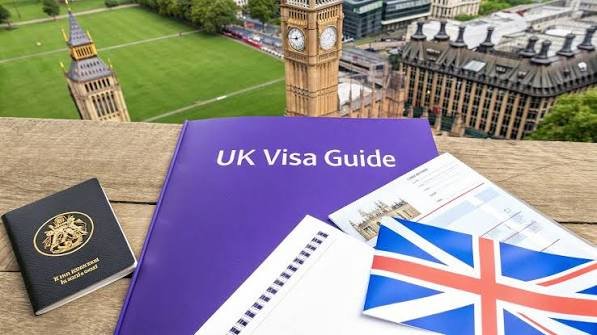
Travel Visit Visa in UK – Complete 2026 Guide
The UK Standard Visitor Visa is the most common visa for people who want to travel to England, Scotland, Wales, or Northern Ireland for tourism, visiting family and friends, attending business meetings, participating in short educational activities, or receiving private medical treatment. For most visitors, the visa allows a stay of up to six months, although some special categories such as medical visitors may qualify for a longer stay. According to the latest UK immigration guidance, travelers from visa-required countries must apply online before traveling, while some nationalities can enter using an Electronic Travel Authorisation (ETA) instead of a visa. Pakistani passport holders still require a Standard Visitor Visa before traveling to the UK. The earliest you can apply is three months before your intended travel date. The current Standard Visitor Visa application fee is £135 for a six-month visa.
Planning a successful UK visit visa application involves much more than simply filling out an online form. Immigration officers carefully assess whether applicants are genuine visitors who intend to leave the UK after their trip. They review travel history, employment, financial stability, family circumstances, and supporting evidence before making a decision. This guide explains everything you need to know in simple English, helping you understand the latest rules, required documents, eligibility criteria, application process, visa fees, and practical tips to maximize your approval chances.
What Is a UK Standard Visitor Visa?
A UK Standard Visitor Visa is designed for people who want to visit the United Kingdom temporarily. It covers several purposes under one visa category, including tourism, visiting relatives, business meetings, attending conferences, taking short courses, and private medical treatment. Unlike work or student visas, the Standard Visitor Visa does not allow you to work permanently or settle in the UK. Immigration officers expect applicants to demonstrate that they have a genuine reason for visiting and sufficient ties to their home country to ensure they return after the visit.
The visa generally allows multiple entries during its validity period unless otherwise specified. Frequent travelers may also apply for long-term Standard Visitor Visas that are valid for two, five, or ten years, although each individual stay is normally limited to six months. Visitors must comply with immigration conditions throughout their stay, including avoiding prohibited activities such as paid employment or accessing public funds. Understanding these rules before applying significantly reduces the risk of visa refusal.
Who Needs a UK Visit Visa?
Whether you need a visa depends on your nationality. Citizens of many countries must obtain a Standard Visitor Visa before traveling, while others may only need an ETA or no travel authorization at all. Pakistani citizens are classified as visa nationals and must complete the full visitor visa application process before departure.
Applicants should first check the UK’s official visa checker before making travel arrangements. Applying for the wrong visa type can result in delays or refusal. Even travelers who qualify for visa-free entry or an ETA must still satisfy border officers that they meet visitor requirements upon arrival.
Types of UK Visit Visas
| Visa Type | Purpose | Maximum Stay |
|---|---|---|
| Tourist Visitor | Holidays and sightseeing | Up to 6 months |
| Family Visitor | Visiting relatives or friends | Up to 6 months |
| Business Visitor | Meetings, conferences, training | Up to 6 months |
| Medical Visitor | Private medical treatment | Up to 11 months |
The Standard Visitor category combines several travel purposes into one flexible visa route. Applicants should clearly explain their intended activities in their application and provide supporting evidence that matches the purpose of their trip.
UK Visit Visa Eligibility Requirements
To qualify, applicants must satisfy several important conditions. They must prove they are genuine visitors, intend to leave the UK after their trip, have enough money to pay for travel and accommodation, and will not rely on public funds. Financial evidence may include recent bank statements, salary slips, tax records, or sponsorship documents where applicable. Immigration officers also assess employment status, family responsibilities, business ownership, or educational commitments that demonstrate strong ties to the applicant’s home country.
Applicants should also ensure that all information provided is accurate and consistent across application forms and supporting documents. Any discrepancies may lead to additional scrutiny or refusal.
Required Documents
Although every application differs, the following documents are commonly requested:
- Valid passport
- Completed online visa application
- Recent passport-size photographs (if required)
- Bank statements
- Proof of employment or business
- Travel itinerary
- Hotel bookings (if available)
- Invitation letter (if visiting relatives or friends)
- Evidence of family or financial ties
- Previous travel history
The UK Home Office advises applicants to provide documents that clearly demonstrate their personal circumstances and the purpose of the visit rather than submitting unnecessary paperwork.
How to Apply for a UK Visit Visa
The application process begins online by completing the Standard Visitor Visa application form. Applicants pay the visa fee, upload supporting documents where required, and schedule an appointment at a Visa Application Centre to provide fingerprints and a photograph. The earliest application can be submitted is three months before travel. After biometrics are completed, UK Visas and Immigration assesses the application and notifies the applicant once a decision has been made.
Carefully reviewing every document before submission is essential. Small mistakes, missing financial evidence, or inconsistent travel plans can delay processing or reduce approval chances.
Processing Time, Visa Fees, and Validity
Understanding the processing time, visa fees, and validity period is one of the most important parts of planning a trip to the United Kingdom. The UK government regularly reviews visa fees and processing services, so applicants should always check the latest official information before submitting an application. As of 2026, the Standard Visitor Visa fee is £135 for a visa that generally allows stays of up to six months. Applications are usually processed within three weeks after applicants complete their biometric appointment, although actual processing times can vary depending on the country of application, seasonal demand, security checks, and the complexity of individual cases. Those who need a faster decision may be able to purchase Priority or Super Priority processing services where available, allowing decisions within a few working days or even the next working day in some locations. These premium services involve additional charges and are not available in every country. Applicants should avoid booking non-refundable flights until they receive their visa because approval is never guaranteed. Planning well in advance significantly reduces stress and provides enough time to respond if additional documents are requested during the assessment process. The UK government also offers long-term Standard Visitor Visas valid for 2 years, 5 years, or 10 years, but even with these visas, each individual stay is normally limited to six months. These longer-term visas are suitable for frequent travelers who regularly visit family, attend business meetings, or travel to the UK for tourism several times each year. Applicants seeking long-term visas must still prove they genuinely intend to leave the UK after every visit.
UK Standard Visitor Visa Fees
| Visa Type | Validity | Government Fee (Approx.) |
|---|---|---|
| Standard Visitor Visa | Up to 6 Months | £135 |
| Long-Term Visitor Visa | 2 Years | £524 |
| Long-Term Visitor Visa | 5 Years | £935 |
| Long-Term Visitor Visa | 10 Years | £1,168 |
Applicants should always verify the latest fees before applying, as government charges may change.
Common Reasons for UK Visit Visa Refusal
Receiving a visa refusal can be disappointing, especially after investing time and money in the application process. Fortunately, many refusals occur because of avoidable mistakes rather than serious immigration concerns. One of the most common reasons is insufficient financial evidence. Immigration officers must be satisfied that applicants can comfortably pay for flights, accommodation, food, transportation, and other travel expenses without working illegally or relying on public funds. Simply showing money in a bank account is often not enough; applicants should explain the source of those funds and demonstrate financial stability over several months. Another major reason for refusal is failing the Genuine Visitor Test. If immigration officials believe an applicant may intend to overstay, work illegally, or remain permanently in the UK, the application is likely to be refused. Weak employment evidence, limited family ties, inconsistent travel plans, or previous immigration violations may increase this concern. Inconsistent information between the application form and supporting documents is another frequent problem. Even small discrepancies regarding employment, salary, travel dates, or previous travel history can raise questions about credibility. Missing documents, unclear invitation letters, forged paperwork, or incomplete financial records also contribute to refusals. Applicants should remember that honesty is always the best policy. Providing false information or fake documents can lead not only to refusal but also to long-term immigration consequences.
Tips to Improve Your UK Visit Visa Approval Chances
Preparing a strong application requires more than simply meeting the minimum requirements. Successful applicants usually provide a clear, well-organized file that allows immigration officers to easily understand their travel plans and personal circumstances. Start by submitting genuine and complete documents that accurately reflect your financial position, employment status, and travel purpose. Recent bank statements should show regular income rather than large unexplained deposits made shortly before applying. If someone else is sponsoring your trip, include sponsorship letters along with the sponsor’s financial evidence and proof of your relationship. A detailed travel itinerary also strengthens the application because it demonstrates that your visit has been carefully planned. Include expected arrival and departure dates, planned destinations, accommodation arrangements, and major sightseeing activities if traveling as a tourist. Applicants visiting family members should include invitation letters, copies of the host’s immigration status, proof of address, and evidence of the relationship. Strong ties to your home country remain one of the most persuasive factors in visitor visa decisions. Stable employment, ongoing education, business ownership, property ownership, family responsibilities, or other commitments help convince immigration officers that you intend to return home after your trip. Finally, carefully review your application before submission. Many refusals result from avoidable mistakes that could have been corrected with a simple final review.
Travel Restrictions and Conditions During Your Stay
Obtaining a UK Visitor Visa does not provide unrestricted rights while staying in the country. Visitors must follow the conditions attached to their visa throughout their stay. In most situations, visitors cannot accept paid employment, establish a business, claim public benefits, or live in the UK through frequent or successive visits. Limited business-related activities such as attending meetings, conferences, negotiations, or training sessions are generally allowed under visitor rules, provided they meet official guidance. Visitors may also participate in short recreational courses lasting up to six months if permitted under the visitor route. Immigration officers at the UK border retain the authority to ask questions about your trip even after your visa has been approved. Travelers should therefore carry important supporting documents, including hotel reservations, return flight details, travel insurance information, invitation letters, and evidence of available funds. Border officers may refuse entry if they believe the traveler no longer meets visitor requirements despite holding a valid visa. Following all immigration conditions helps maintain a positive travel history that can support future UK visa applications.
Conclusion
The UK Standard Visitor Visa provides an excellent opportunity for tourists, family visitors, and business travelers to experience everything the United Kingdom has to offer. From historic landmarks and world-famous museums to vibrant cities and beautiful countryside, the UK welcomes millions of visitors every year. A successful visa application depends on careful preparation, honest documentation, strong financial evidence, and a genuine intention to return home after the visit. Understanding the latest eligibility requirements, visa fees, document checklist, and application procedures allows travelers to avoid common mistakes that often lead to refusals. Whether you are planning your first holiday in London, visiting relatives in Manchester, attending a conference in Birmingham, or exploring Scotland’s breathtaking landscapes, taking the time to prepare a complete and accurate application will greatly improve your chances of receiving approval. Start your planning early, follow the official guidance carefully, and ensure every document supports the purpose of your visit. A well-prepared application not only increases approval chances but also makes the entire travel experience smoother and more enjoyable.
Frequently Asked Questions (FAQs)
1. How long can I stay in the UK with a Standard Visitor Visa?
Most Standard Visitor Visas allow visitors to stay in the UK for up to six months per visit.
2. Can I work in the UK on a Visitor Visa?
No. Visitors are generally not allowed to undertake paid employment while staying in the UK under a Standard Visitor Visa.
3. How much money should I have in my bank account?
There is no fixed minimum balance. Applicants should demonstrate they have enough funds to cover all travel, accommodation, and living expenses during their stay.
4. Can I apply for a UK Visitor Visa online?
Yes. The application process begins online, followed by a biometric appointment at a Visa Application Centre.
5. Can a refused UK Visitor Visa be reapplied?
Yes. Applicants may submit a new application after addressing the reasons for the previous refusal and providing stronger supporting evidence.