
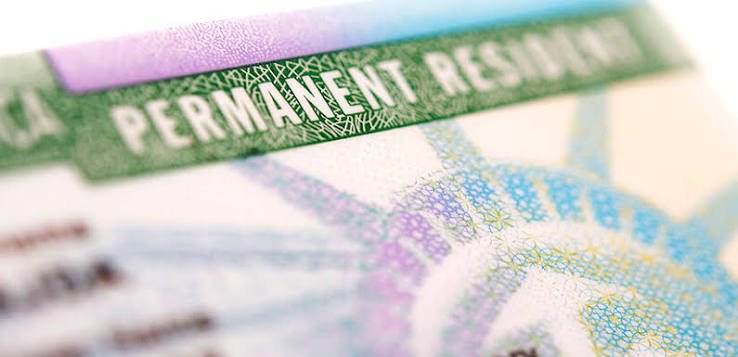
What Is a Green Card?
A Green Card, officially known as a Permanent Resident Card, is one of the most valuable immigration documents in the United States. It allows a foreign national to live and work in the U.S. permanently without needing a temporary visa. While many people believe that obtaining a Green Card automatically makes someone a U.S. citizen, this is not true. A Green Card grants permanent resident status, while citizenship requires a separate application process after meeting specific eligibility requirements.
For millions of people around the world, receiving a Green Card represents the opportunity to build a better future, pursue career goals, reunite with family members, and enjoy long-term stability in one of the world’s largest economies. Green Card holders can legally work for almost any employer, attend educational institutions, purchase property, and access many public services. They are also protected by U.S. laws and have many of the same legal rights as citizens, although they cannot vote in federal elections or hold certain government positions.
A Green Card is typically valid for ten years and can be renewed before expiration. Conditional Green Cards, issued in certain marriage or investment cases, usually remain valid for two years before the holder must apply to remove conditions. Understanding how Green Cards work is essential because the application process can be lengthy and requires careful preparation, complete documentation, and strict compliance with immigration laws.
Definition of Permanent Residency
Permanent residency means an individual has been granted the legal right to reside indefinitely in the United States. Unlike temporary visas, which expire after a specific period, permanent residency allows individuals to remain in the country as long as they follow immigration laws and maintain their status.
Permanent residents receive an identification card known as the Green Card. This document serves as proof of lawful permanent resident status whenever employment verification, international travel, or identification is required. Green Card holders may travel outside the United States, although extended stays abroad could affect their residency status.
Permanent residents are expected to obey all federal, state, and local laws. Serious criminal convictions, immigration fraud, or abandonment of residency may lead to removal proceedings. Because of these responsibilities, maintaining permanent resident status requires more than simply holding the physical Green Card.
Many Green Card holders eventually choose to become U.S. citizens after satisfying residency and eligibility requirements. Naturalization offers additional benefits such as voting rights, obtaining a U.S. passport, and sponsoring more family members for immigration.
Benefits of Having a Green Card
Holding a Green Card provides numerous personal, financial, and professional advantages. One of the greatest benefits is the freedom to live anywhere within the United States without restrictions imposed by temporary visa categories. Green Card holders are generally free to change jobs, relocate to another state, or start their own businesses without needing additional immigration approval.
Employment opportunities also increase significantly. Many companies prefer hiring permanent residents because they do not require visa sponsorship. This opens doors to careers in technology, healthcare, engineering, finance, education, and countless other industries. Green Card holders may also qualify for certain scholarships, lower in-state university tuition, and financial assistance programs that are unavailable to international students.
Family stability is another important benefit. Permanent residents can sponsor certain family members to immigrate to the United States. They also enjoy legal protections under U.S. law, may own property, establish businesses, obtain driver’s licenses, and access banking services. After meeting residency requirements, Green Card holders become eligible to apply for U.S. citizenship, providing an even greater level of security and opportunity.
Types of Green Cards
The United States offers several pathways to permanent residency, allowing individuals from different backgrounds to qualify based on family relationships, employment, humanitarian protection, investment, or special eligibility categories. Choosing the appropriate category is one of the most important decisions during the immigration process because each pathway has unique eligibility rules, documentation requirements, and processing timelines.
Family-based Green Cards remain the most common route, particularly for spouses, children, parents, and siblings of U.S. citizens. Employment-based Green Cards provide opportunities for highly skilled professionals, researchers, executives, investors, and workers sponsored by U.S. employers. The Diversity Visa Lottery gives applicants from countries with historically low immigration rates an annual chance to obtain permanent residency through a randomized selection process.
Humanitarian programs, including asylum and refugee adjustment, offer another pathway for individuals who cannot safely return to their home countries. Additional categories exist for religious workers, special immigrant juveniles, Afghan and Iraqi nationals who assisted the U.S. government, victims of certain crimes, and other specialized groups. Understanding which category applies is the first major step toward a successful Green Card application.
Family-Based Green Card
Family sponsorship is one of the fastest and most widely used methods for obtaining a Green Card. U.S. citizens can sponsor their spouses, unmarried children under 21, parents, and siblings. Lawful permanent residents can also sponsor their spouses and unmarried children, although waiting periods are generally longer due to annual visa limits.
Immediate relatives of U.S. citizens usually receive priority because their visas are not subject to yearly numerical caps. This often results in shorter processing times compared to family preference categories. Applicants must provide evidence proving the genuine family relationship, such as birth certificates, marriage certificates, photographs, financial records, and other supporting documentation.
Marriage-based Green Cards receive particularly close scrutiny to prevent immigration fraud. Immigration officers carefully evaluate whether the marriage is legitimate and not entered into solely for immigration purposes. Couples should be prepared to answer detailed interview questions and provide substantial evidence demonstrating their shared life together.
Green Card USA: Complete Guide to Permanent Residency in the United States (2026)
Employment-Based Green Card
Employment-based Green Cards provide a pathway to permanent residency for foreign workers whose skills, education, or professional experience contribute to the U.S. economy. The U.S. government divides these visas into several preference categories, commonly referred to as EB-1, EB-2, EB-3, EB-4, and EB-5. Each category has different eligibility criteria, priority levels, and documentation requirements. Highly accomplished professionals, multinational executives, researchers, physicians, skilled workers, and investors may all qualify under different employment-based categories.
The EB-1 category is designed for individuals with extraordinary ability in fields such as science, education, business, athletics, or the arts. Outstanding professors, researchers, and multinational executives may also qualify under this category, often without the lengthy labor certification process required in other categories. The EB-2 category generally covers professionals with advanced degrees or exceptional abilities, while EB-3 includes skilled workers, professionals with bachelor’s degrees, and certain other workers whose employers are willing to sponsor them.
The EB-4 category applies to special immigrants, including religious workers and certain employees of international organizations. Meanwhile, the EB-5 Immigrant Investor Program offers permanent residency to qualifying investors who make substantial investments in U.S. businesses that create jobs for American workers. Because employment-based immigration often involves employer sponsorship, applicants should work closely with experienced immigration attorneys and their employers to ensure every requirement is met accurately. Missing documentation or filing errors can significantly delay the application process.
Diversity Visa Lottery (DV Lottery)
The Diversity Immigrant Visa Program, often called the Green Card Lottery, provides another opportunity for individuals to become permanent residents of the United States. Every year, the U.S. government makes approximately 55,000 immigrant visas available through a random selection process. The program aims to increase diversity by offering immigration opportunities to people from countries with historically low rates of immigration to the United States.
Applicants must meet both nationality and education or work experience requirements. Simply winning the lottery does not automatically guarantee a Green Card. Winners must still complete background checks, submit all required forms, undergo medical examinations, attend visa interviews, and demonstrate eligibility under U.S. immigration law. Any mistake during these stages may result in disqualification, even after being selected.
Because the Diversity Visa Program is extremely competitive, millions of people apply every year while only a small percentage are selected. Applicants should only use the official U.S. government website when submitting entries because there is no fee to enter the lottery. Many fraudulent websites falsely claim they can increase an applicant’s chances or guarantee selection. In reality, the process is entirely random, and no agency or consultant can influence the results.
Humanitarian Green Cards
The United States also provides permanent residency opportunities for individuals facing humanitarian circumstances. Refugees and people granted asylum may apply for a Green Card after meeting specific residency requirements in the United States. These programs are designed to protect individuals who cannot safely return to their home countries due to persecution based on race, religion, nationality, political opinion, or membership in a particular social group.
Certain victims of crimes, domestic violence, and human trafficking may also qualify for humanitarian immigration benefits through special visa programs such as the U Visa, T Visa, or protections available under the Violence Against Women Act (VAWA). After meeting the required conditions, many beneficiaries become eligible to adjust their status to lawful permanent residence.
Humanitarian Green Card applications require extensive supporting evidence. Applicants must demonstrate eligibility through legal documentation, government records, witness statements, medical reports, or law enforcement certifications where applicable. Because these cases often involve sensitive personal circumstances, legal representation is strongly recommended to ensure applicants receive proper guidance throughout the immigration process.
Green Card Eligibility Requirements
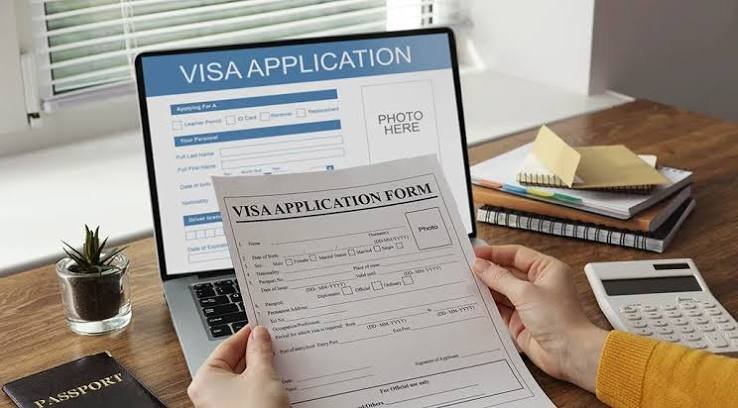
Qualifying for a Green Card depends entirely on the immigration category under which an individual applies. While each pathway has unique rules, all applicants must satisfy general legal requirements established by U.S. immigration law. Immigration officers carefully review every application to verify eligibility before granting permanent resident status.
Applicants must provide accurate personal information, valid identification documents, birth certificates, passports, police records when required, medical examination reports, and evidence supporting their specific immigration category. Individuals applying through family sponsorship must demonstrate legitimate family relationships, while employment-based applicants generally need employer sponsorship or proof of extraordinary qualifications.
Applicants must also be considered admissible to the United States. Certain criminal convictions, immigration fraud, security concerns, communicable diseases, or previous immigration violations may affect eligibility. Some grounds of inadmissibility can be waived through specific legal procedures, while others may permanently prevent approval. Careful preparation and complete documentation significantly improve an applicant’s chances of success.
Family Eligibility
Family-based applicants must prove their relationship with the sponsoring relative using official documentation. Birth certificates establish parent-child relationships, marriage certificates verify spouses, and adoption records may support eligibility where applicable. Immigration authorities frequently request additional evidence if documentation is incomplete or inconsistent.
Sponsors must also meet financial requirements by filing an Affidavit of Support, demonstrating they have sufficient income to financially support the immigrant and reduce the likelihood of dependence on public assistance. If the sponsor’s income falls below the required level, a joint sponsor may be necessary.
Marriage-based cases require particularly strong evidence because immigration authorities actively investigate fraudulent marriages. Couples should provide photographs, joint bank accounts, shared leases, insurance policies, utility bills, travel records, and other documents demonstrating a genuine marital relationship.
Employment Eligibility
Employment-based applicants generally require sponsorship from a U.S. employer unless they qualify for categories allowing self-petitioning. Employers often begin the process by obtaining labor certification through the U.S. Department of Labor, proving there are insufficient qualified U.S. workers available for the position.
Applicants must provide educational credentials, professional licenses, employment history, recommendation letters, certifications, and evidence of work experience supporting their qualifications. Some categories also require proof of exceptional achievements, publications, awards, or internationally recognized accomplishments.
Investors applying under the EB-5 program must document the lawful source of investment funds and demonstrate compliance with job creation requirements. Immigration officials carefully review financial records to verify that investments satisfy all statutory conditions.
Special Categories
Beyond family and employment pathways, several special immigrant categories provide Green Card eligibility for unique groups of applicants. Religious workers serving qualified nonprofit organizations, certain Afghan and Iraqi nationals who assisted the U.S. government, international organization employees, broadcasters, and juvenile immigrants receiving court protection may all qualify under specialized provisions of immigration law.
Each category contains unique eligibility requirements and documentation standards. Applicants should carefully review the specific criteria applicable to their situation before submitting any forms. Filing under the wrong category may result in unnecessary delays or denial.
Understanding which immigration pathway best fits your circumstances is one of the most important decisions during the Green Card journey. Professional legal advice is often beneficial, particularly for applicants with complex immigration histories or unusual eligibility circumstances.
Green Card USA: Complete Guide to Permanent Residency in the United States (2026)
Green Card Application Process
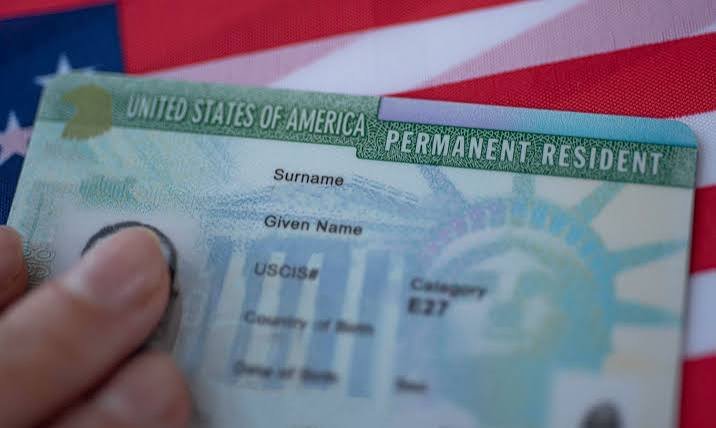
Applying for a U.S. Green Card involves several important stages, and while the exact procedure varies depending on the immigration category, the overall process follows a structured path established by U.S. immigration law. Every applicant should begin by determining the correct Green Card category, whether family-based, employment-based, humanitarian, investment, or another eligible pathway. Selecting the wrong category can result in delays or even denial, making it essential to review eligibility requirements carefully before filing.
After determining eligibility, the sponsor or applicant submits the appropriate petition to U.S. Citizenship and Immigration Services (USCIS). Once the petition is approved and a visa becomes available, applicants inside the United States generally file an Adjustment of Status application, while applicants outside the country complete Consular Processing through a U.S. embassy or consulate. During this stage, applicants undergo a background check, fingerprinting (biometrics), and a medical examination performed by an authorized physician.
Most applicants are also required to attend an interview where immigration officers verify the information submitted in the application. Questions typically focus on the applicant’s identity, eligibility, immigration history, employment, or family relationship. Honest, consistent answers supported by accurate documentation greatly improve approval chances. After successfully completing all stages, applicants receive a decision, and approved applicants are issued their Permanent Resident Card, commonly known as the Green Card.
Required Documents
Proper documentation is one of the most critical aspects of a successful Green Card application. Missing or inaccurate documents are among the most common reasons for processing delays. While document requirements differ by immigration category, several records are requested in nearly every case.
Commonly required documents include:
| Document | Purpose |
|---|---|
| Valid Passport | Identity verification |
| Birth Certificate | Proof of age and nationality |
| Marriage Certificate (if applicable) | Family relationship |
| Police Clearance (where required) | Background verification |
| Medical Examination Report | Health eligibility |
| Passport-Size Photographs | USCIS identification |
| Financial Documents | Sponsor eligibility |
| Employment Records | Work qualification |
| Tax Returns | Financial support evidence |
Applicants should ensure all foreign-language documents are accompanied by certified English translations. USCIS may request additional evidence through a Request for Evidence (RFE) if documentation is incomplete or insufficient. Responding promptly and accurately to these requests helps avoid unnecessary delays.
Forms Used During the Green Card Process
Different Green Card categories require different immigration forms. Filing the correct form is essential because each serves a unique legal purpose within the immigration system.
Some of the most common forms include:
- Form I-130 – Petition for Alien Relative
- Form I-140 – Immigrant Petition for Alien Worker
- Form I-485 – Application to Register Permanent Residence or Adjust Status
- Form DS-260 – Immigrant Visa Application (Consular Processing)
- Form I-864 – Affidavit of Support
- Form I-693 – Medical Examination Report
Each form requests detailed personal information, immigration history, employment details, family information, and supporting evidence. Even small errors, such as incorrect dates or incomplete addresses, can delay processing. Applicants should review every form carefully before submission.
Green Card Interview Process
The Green Card interview is one of the final and most important steps in obtaining permanent residency. Immigration officers use the interview to verify the authenticity of the application and ensure all eligibility requirements have been met.
Family-based applicants, especially married couples, may be asked questions about their relationship, daily routines, financial arrangements, and shared experiences. Employment-based applicants may discuss their job duties, employer, educational qualifications, and professional background.
Applicants should bring original copies of all supporting documents, including passports, birth certificates, marriage certificates, employment letters, and financial records. Officers expect truthful and consistent answers. Providing false information can result in immediate denial and may create long-term immigration consequences.
Although interviews can feel stressful, thorough preparation and complete documentation significantly improve the likelihood of approval.
Green Card Processing Time
Processing times vary considerably depending on the applicant’s immigration category, country of birth, visa availability, and USCIS workload. Some immediate relatives of U.S. citizens may receive approval within approximately one year, while applicants in heavily backlogged employment or family preference categories may wait several years.
Several factors influence processing speed:
- Immigration category
- Country of chargeability
- Annual visa quotas
- USCIS case backlog
- Completeness of submitted documents
- Requests for additional evidence
- Security and background checks
Applicants should regularly monitor their case status using the receipt number issued after filing. Patience is important, as immigration processing often involves multiple government agencies working together.
Green Card Costs and Fees
Obtaining a Green Card requires applicants to pay various government filing fees. The exact cost depends on the immigration category and the forms being submitted. Typical expenses may include petition filing fees, adjustment of status fees, biometrics fees, medical examinations, translation services, and attorney fees if legal representation is used.
Applicants should also budget for travel expenses if attending interviews outside their home city or country. While immigration costs may seem substantial, obtaining permanent residency often provides lifelong career, educational, and financial opportunities that outweigh the initial investment.
Applicants should always verify current USCIS filing fees before submitting any application, as government fees are subject to change.
Rights and Responsibilities of Green Card Holders
Receiving a Green Card comes with significant rights as well as important responsibilities. Permanent residents have the legal right to live, work, and study anywhere in the United States. They may accept employment without requiring temporary work authorization and enjoy many legal protections under U.S. law.
Green Card holders are expected to obey federal, state, and local laws. They must file income tax returns, notify immigration authorities of address changes, and carry proof of permanent residency when required by law. Extended absences from the United States without proper documentation may lead immigration officials to conclude that permanent residency has been abandoned.
Many Green Card holders eventually apply for U.S. citizenship after meeting residency requirements, passing the naturalization examination, and demonstrating good moral character. Citizenship provides additional benefits, including voting rights, eligibility for federal employment, and the ability to obtain a U.S. passport.
Green Card USA: Complete Guide to Permanent Residency in the United States (2026)
Common Reasons for Green Card Denial
Applying for a U.S. Green Card is a significant milestone, but approval is never guaranteed. Every year, some applications are delayed or denied because applicants fail to meet legal requirements or submit incomplete information. Understanding the most common reasons for denial can help applicants avoid costly mistakes and improve their chances of success.
One of the leading causes of denial is incomplete or inaccurate documentation. Missing birth certificates, expired passports, incorrect translations, unsigned forms, or inconsistent personal information can result in delays or rejection. Applicants should carefully review every document before submission and ensure all information matches official records.
Another common reason is immigration fraud or misrepresentation. Providing false information, fake marriage certificates, altered employment records, or misleading answers during interviews can lead to permanent immigration consequences. U.S. immigration authorities conduct extensive background checks and verify submitted evidence thoroughly. Even small inconsistencies may trigger additional investigations.
Applicants may also be denied because of criminal history, previous immigration violations, certain communicable diseases, failure to attend interviews, public charge concerns where applicable, or inability to prove eligibility under the selected immigration category. In some situations, waivers are available, while other grounds of inadmissibility cannot be overcome. Seeking professional legal guidance is often beneficial when complex issues exist.
Tips to Increase Your Green Card Approval Chances
Although no one can guarantee Green Card approval, applicants can significantly improve their chances by preparing carefully and following immigration requirements precisely. Organization, honesty, and attention to detail are among the most important factors throughout the process.
Start by selecting the correct Green Card category based on your circumstances. Carefully read all USCIS instructions before completing any forms. Double-check spellings, dates, addresses, and passport information to ensure consistency across every document. Keep copies of everything you submit and respond promptly to any Request for Evidence (RFE) issued by immigration authorities.
For marriage-based applications, gather extensive evidence demonstrating a genuine relationship. Employment-based applicants should maintain complete educational and employment records. Family-sponsored applicants should ensure their sponsors meet financial eligibility requirements and provide accurate tax documentation.
Before attending the interview, review your application thoroughly so your answers remain consistent with your submitted forms. Dress professionally, arrive early, remain calm, and answer every question honestly. If you do not understand a question, politely ask the immigration officer for clarification instead of guessing.
Finally, stay informed about immigration policy updates and processing changes by monitoring official USCIS announcements. Immigration rules occasionally change, and keeping up to date helps applicants avoid unnecessary complications.
Conclusion
A U.S. Green Card represents much more than permission to live permanently in America. It opens the door to long-term career opportunities, quality education, financial stability, family reunification, and the possibility of eventually becoming a U.S. citizen. While the application process may appear complex, understanding each step makes the journey far more manageable.
Whether you qualify through family sponsorship, employment, investment, humanitarian protection, or the Diversity Visa Lottery, careful preparation is essential. Completing the correct forms, providing accurate documentation, attending interviews with confidence, and complying with immigration requirements greatly improve your chances of approval.
Every applicant’s situation is unique, so researching your eligibility, staying organized, and seeking professional legal advice when necessary can make a significant difference. With patience and proper planning, obtaining permanent residency in the United States can become a realistic and life-changing achievement.
Frequently Asked Questions (FAQs)
1. How long does it take to get a U.S. Green Card?
Processing times vary depending on the immigration category, applicant’s country of birth, visa availability, and USCIS workload. Some applicants receive approval within about a year, while others may wait several years due to visa backlogs.
2. Can a Green Card holder apply for U.S. citizenship?
Yes. Most Green Card holders become eligible to apply for U.S. citizenship after maintaining permanent residency for five years, or three years if married to and living with a U.S. citizen, provided they meet all eligibility requirements.
3. Can I work anywhere in the United States with a Green Card?
Yes. Lawful permanent residents can generally work for almost any employer in the United States without requiring additional work authorization, except for certain positions restricted to U.S. citizens.
4. What happens if my Green Card expires?
An expired Green Card does not automatically end your permanent resident status, but you should renew it promptly. An expired card can create difficulties when traveling, proving employment eligibility, or verifying your legal status.
5. Can I lose my Green Card?
Yes. Permanent residency can be lost due to immigration fraud, certain serious criminal convictions, abandoning U.S. residence through extended stays abroad without proper authorization, or violating U.S. immigration laws.