USA Visa Application Full Guide (2026): Step-by-Step Process, Requirements, Fees, and Tips for Approval
USA Visa Application Full Guide (2026)
The United States remains one of the world’s most popular destinations for tourism, education, business, employment, and permanent immigration. Every year, millions of people apply for different categories of U.S. visas hoping to experience opportunities that range from world-class universities to thriving business environments and unforgettable travel experiences. However, the visa application process can appear confusing, especially for first-time applicants. From selecting the correct visa category to preparing documents and attending the embassy interview, every step requires careful attention.
Understanding how the system works before submitting your application can significantly improve your chances of approval. A successful application is not simply about filling out forms correctly; it also involves demonstrating that you meet all eligibility requirements and providing accurate, consistent information. U.S. immigration authorities carefully review each application to determine whether the applicant qualifies under American immigration law. Missing documents, inconsistent answers, or incomplete forms can delay the process or even result in a visa refusal.
This comprehensive guide explains everything you need to know about the USA visa application process in 2026, including visa types, eligibility criteria, required documents, fees, interview preparation, processing times, and practical tips that can help strengthen your application.
Understanding the U.S. Visa System
A U.S. visa is an official authorization that allows a foreign national to travel to a U.S. port of entry and request admission for a specific purpose. It is important to understand that receiving a visa does not guarantee entry into the United States. The final decision is made by Customs and Border Protection officers upon arrival. The visa simply confirms that a U.S. consular officer has determined you are eligible to travel under a specific visa category.
The U.S. immigration system divides visas into two broad categories: non-immigrant visas and immigrant visas. Non-immigrant visas are intended for temporary visits such as tourism, study, work, or business. Immigrant visas are designed for individuals who plan to live permanently in the United States, usually through family sponsorship, employment, or special immigration programs.
Choosing the correct visa category is one of the most important parts of the application process. Applying for the wrong visa type can lead to unnecessary delays or rejection, even if you otherwise qualify.
Types of U.S. Visas
Tourist (B1/B2) Visa
The B1/B2 visa is among the most commonly issued U.S. visas. It allows travelers to visit the United States temporarily for tourism, family visits, business meetings, conferences, or medical treatment. Applicants must demonstrate that they intend to return to their home country after their visit by showing strong ties such as employment, property ownership, family responsibilities, or ongoing education.
Student (F1/M1) Visa
International students accepted by accredited U.S. educational institutions usually apply for an F1 student visa. Vocational students generally require an M1 visa. Applicants must first receive an admission letter from a school approved under the Student and Exchange Visitor Program (SEVP). Financial evidence proving the ability to pay tuition and living expenses is also essential.
Work Visas
The United States offers several employment-based visas depending on the applicant’s occupation and qualifications.
| Visa Type | Purpose |
|---|---|
| H-1B | Specialty occupations requiring professional skills |
| H-2A | Temporary agricultural workers |
| H-2B | Temporary non-agricultural workers |
| L-1 | Intra-company transfers |
| O-1 | Individuals with extraordinary ability |
Each work visa has different eligibility requirements, sponsorship rules, and validity periods.
Eligibility Requirements
Eligibility depends on the specific visa category, but most applicants must provide several essential documents.
These generally include:
- Valid passport
- Completed DS-160 application
- Passport-sized photographs
- Visa appointment confirmation
- Visa fee payment receipt
- Financial documents
- Employment or education records
- Travel itinerary (if applicable)
- Invitation letter (where applicable)
Applicants should ensure that all documents are accurate and consistent. Even minor discrepancies between the application form and supporting documents can raise concerns during the visa interview.
Financial evidence is another critical factor. Applicants often need to demonstrate that they have sufficient funds to cover travel expenses, tuition, accommodation, or other planned costs without relying on unauthorized employment in the United States.
Step-by-Step USA Visa Application Process
Complete Form DS-160
The DS-160 is the primary online application form for most non-immigrant visas. Applicants should answer every question honestly and carefully. Any incorrect information may lead to delays or visa denial. Before submitting the form, review every section thoroughly because mistakes can be difficult to correct later.
Pay the Visa Fee
After completing the DS-160, applicants must pay the required Machine Readable Visa (MRV) fee. The fee amount varies depending on the visa category. Keep the payment receipt because it is required when scheduling your appointment.
Schedule Your Interview
Once the fee has been paid, applicants create an online account to schedule their biometric appointment and embassy interview. Appointment availability varies depending on the country and the season, so applying well in advance is highly recommended.
Attend Biometrics and Interview
Many applicants must first attend a biometric appointment where fingerprints and photographs are collected. During the embassy interview, a consular officer may ask questions about the purpose of your visit, financial situation, employment, education, travel history, and future plans. Answer honestly, confidently, and consistently.
Visa Processing Time and Costs
Processing times vary depending on the visa category, embassy workload, administrative processing requirements, and seasonal demand.
| Visa Category | Typical Processing Time |
|---|---|
| Tourist Visa | Several weeks (varies by embassy) |
| Student Visa | Usually a few weeks after interview |
| Work Visa | Several weeks to several months |
| Immigrant Visa | Several months or longer |
Visa application fees also vary depending on the visa type and may change periodically. Some employment-based visas also include additional petition filing fees paid by employers.
Common Reasons for Visa Refusal
Many applicants believe that a visa refusal always indicates missing documents. In reality, consular officers consider numerous factors when evaluating applications.
Common reasons include:
- Incomplete documentation
- Insufficient financial evidence
- Weak ties to the home country
- Inconsistent interview answers
- Previous immigration violations
- Providing false information
- Failure to qualify under immigration law
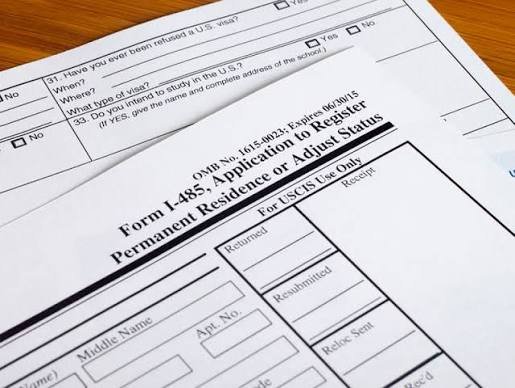
Preparing carefully before the interview significantly reduces the likelihood of avoidable mistakes.
Expert Tips to Increase Approval Chances
Preparation is one of the strongest predictors of a successful visa application. Before applying, ensure that every document supports the information provided in your DS-160 form. If you are traveling for tourism, prepare a realistic travel itinerary. If you are applying as a student, understand your chosen university, academic program, and future career goals. Employment applicants should be familiar with the sponsoring employer and job responsibilities.
Confidence also matters during the interview. Speak clearly, answer only the questions asked, and avoid providing unnecessary information. Maintaining consistency between your written application and verbal responses helps establish credibility.
Applicants should also apply well before their intended travel date because appointment availability and processing times can fluctuate throughout the year.
Conclusion
Applying for a U.S. visa may seem complicated at first, but understanding each stage of the process makes it much more manageable. From selecting the appropriate visa category and completing the DS-160 form to gathering supporting documents and preparing for the interview, every step contributes to the final decision. Careful preparation, truthful information, and organized documentation greatly improve the chances of a successful application.
Whether your goal is tourism, higher education, employment, or permanent immigration, taking the time to understand the requirements and preparing thoroughly can save both time and unnecessary stress. With proper planning and attention to detail, your journey toward visiting or moving to the United States can begin with confidence.
Frequently Asked Questions (FAQs)
1. How long does it take to get a U.S. visa?
Processing times vary depending on the visa type, embassy workload, and whether additional administrative processing is required.
2. Is the DS-160 form mandatory?
Yes. Most non-immigrant visa applicants must complete and submit the DS-160 form before scheduling their interview.
3. Can I reapply after a visa refusal?
Yes. You may submit a new application if your circumstances have changed or you can address the reasons for the previous refusal.
4. Is a bank statement required for a tourist visa?
In many cases, financial documents such as bank statements help demonstrate that you can afford your trip and support yourself during your stay.
5. Does a U.S. visa guarantee entry into America?
No. A visa allows you to travel to a U.S. port of entry, but the final admission decision is made by a Customs and Border Protection officer.
USA Visa Interview Questions You Should Prepare For
The visa interview is often the most important stage of the USA visa application process because it gives the consular officer an opportunity to verify the information submitted in your application. Many applicants worry about difficult questions, but the interview is usually brief and focuses on understanding your travel purpose, financial situation, employment, family background, and intention to return to your home country. The officer is looking for honest, consistent answers rather than rehearsed speeches. If your responses match the information in your DS-160 form and supporting documents, you are already in a strong position.
For tourist visa applicants, expect questions such as why you want to visit the United States, which cities you plan to visit, how long you intend to stay, who will pay for your trip, and whether you have relatives in America. Student visa applicants are commonly asked why they chose a particular university, what they plan to study, how their education will benefit their future career, and how they will finance their studies. Employment visa applicants should be prepared to explain their job role, employer, qualifications, and previous work experience. During the interview, maintain eye contact, answer confidently, avoid memorized responses, and never provide false information. A simple, truthful answer is always more convincing than a complicated explanation.
Required Documents for Different USA Visa Categories
Although some documents are common across all visa categories, additional paperwork depends on the type of visa you are applying for. Preparing a complete file before your appointment helps reduce stress and allows you to respond quickly if the consular officer requests supporting evidence. Every document should be genuine, up to date, and consistent with the information provided in your application.
| Visa Type | Important Supporting Documents |
|---|---|
| B1/B2 Tourist Visa | Passport, DS-160 confirmation, appointment letter, bank statements, employment letter, travel itinerary |
| F1 Student Visa | I-20 form, SEVIS payment receipt, admission letter, academic transcripts, financial documents |
| H-1B Work Visa | Approved petition, employment contract, educational certificates, employer documents |
| Family-Based Immigrant Visa | Sponsorship documents, relationship proof, civil documents, financial affidavit |
| Business Visa | Invitation letter, company registration, conference details, employer letter |
Keeping both original documents and photocopies is a good practice. Organizing them in separate folders allows you to quickly locate any document requested during the interview.
How to Fill Out the DS-160 Form Correctly
The DS-160 is the official online application form used for most non-immigrant U.S. visas. Since it forms the basis of your visa interview, accuracy is essential. Every answer should reflect your real circumstances, and you should avoid guessing if you are unsure about a question. Before starting the form, gather your passport, travel history, employment details, education records, and contact information so you can complete the application without interruptions.
Pay special attention to spelling names exactly as they appear on your passport. Double-check dates of employment, education, and previous travel because inconsistencies may raise questions during the interview. If you have previously been refused a U.S. visa, disclose that information honestly instead of attempting to hide it. After submitting the DS-160, print the confirmation page immediately because it is required for scheduling your appointment and attending the embassy interview. Saving your application number is also important in case you need to retrieve or update your application before submission.
Financial Requirements for a USA Visa
Financial stability plays an important role in many visa applications because it demonstrates that you can support yourself during your stay in the United States. The amount required depends on the purpose of travel. Tourist visa applicants generally need to show enough funds to cover flights, accommodation, transportation, meals, and personal expenses. Students must prove they can pay tuition fees and living expenses for at least the first academic year, while work visa applicants often rely on employer sponsorship rather than personal savings.
Bank statements are one of the most commonly submitted financial documents, but they are not the only acceptable evidence. Salary slips, tax returns, business registration certificates, property ownership records, investment statements, and sponsorship letters can all strengthen an application when appropriate. Consular officers evaluate the overall financial picture rather than focusing on a single document. A stable financial history over several months is usually more persuasive than a sudden large deposit immediately before the visa interview.
Common Mistakes That Lead to Visa Rejection
Many visa refusals occur because applicants make avoidable mistakes rather than failing to meet eligibility requirements. One of the most common errors is providing inconsistent information between the DS-160 application, supporting documents, and interview responses. Even small discrepancies regarding employment dates, travel history, or educational background may lead to additional questioning or refusal. Applicants should review every document carefully before attending the interview.
Another frequent mistake is failing to demonstrate strong ties to the home country. Consular officers must be satisfied that temporary visa applicants intend to return home after their authorized stay. Stable employment, ongoing education, family responsibilities, business ownership, and property investments can all help establish these ties. Arriving late for the appointment, presenting incomplete documentation, or attempting to submit fake documents can seriously damage credibility. Applicants should also avoid memorizing scripted answers because experienced officers can usually recognize rehearsed responses.
USA Visa Renewal Process
Renewing a U.S. visa is often simpler than applying for one for the first time, although the exact process varies depending on the visa category and the applicant’s country of residence. Some applicants may qualify for an interview waiver if they meet specific eligibility requirements, while others must attend another interview at the embassy or consulate. Even when renewing a visa, applicants should carefully review all current requirements because immigration procedures and eligibility criteria can change over time.
The renewal process generally involves completing a new DS-160 form, paying the required visa fee, and submitting updated supporting documents. Applicants should not assume that previously submitted documents remain valid, especially if their employment, marital status, financial situation, or travel history has changed. Keeping accurate records of previous U.S. travel, maintaining lawful immigration status during earlier visits, and complying with visa conditions can make future visa applications much smoother.
Tips for a Successful USA Visa Application
A successful visa application begins long before the embassy interview. Start preparing your documents several weeks in advance so you have enough time to obtain missing certificates, financial records, or translations if necessary. Carefully review the eligibility requirements for your visa category and ensure every document supports the purpose of your trip. If you are sponsored by an employer, educational institution, or family member, communicate with them early to avoid last-minute delays.
During the interview, remain calm and answer questions naturally. Listen carefully before responding and avoid giving unnecessary details that may create confusion. Dress neatly and professionally, arrive at the embassy early, and carry all required documents in an organized folder. Most importantly, always provide truthful information. A visa refusal is often temporary and can sometimes be overcome in a future application, but providing false information can have long-lasting consequences under U.S. immigration law. Honest, consistent, and well-prepared applicants generally have the strongest chance of receiving a favorable decision.
USA Visa Processing Times (2026)
One of the most common questions applicants ask is, “How long does it take to get a U.S. visa?” The answer depends on several factors, including the visa category, the U.S. embassy or consulate where you apply, seasonal demand, security checks, and whether your application requires additional administrative processing. During peak travel seasons, appointment availability may be limited, which can extend the overall timeline. Applying several months before your intended travel date is the safest approach, especially if your travel is tied to a university start date, business event, or family occasion.
For most B1/B2 tourist visas, applicants first wait for an interview appointment and then for passport processing after the interview. Student visa applications are often processed quickly once all required documents are submitted, but applicants should still apply as soon as they receive their Form I-20 from their educational institution. Employment-based visas may require additional petition approvals before the visa interview, making the process longer than tourist or student visas. Immigrant visas usually involve multiple stages, including petition approval, National Visa Center (NVC) processing, document review, medical examinations, and embassy interviews, so they often take several months or longer.
The table below provides a general overview of processing timelines. Actual waiting times vary by country and embassy workload.
| Visa Category | Estimated Processing Timeline |
|---|---|
| B1/B2 Tourist Visa | Varies by embassy; interview wait time plus several business days for passport return |
| F1 Student Visa | Usually a few weeks after interview if approved |
| H-1B Work Visa | Several weeks to several months depending on petition processing |
| L-1 Work Visa | Several weeks after petition approval |
| Family Immigrant Visa | Several months to over a year depending on category and country |
Applicants should regularly check the official U.S. embassy or consulate website for the most up-to-date appointment availability and processing information.
USA Visa Fees (2026)
Visa fees depend on the category of visa being requested. Most applicants pay a Machine Readable Visa (MRV) application fee before scheduling an interview. Some employment-based visas and immigrant visas may involve additional petition or processing fees paid by either the applicant or the sponsoring employer. These fees are generally non-refundable, even if the visa application is refused, so applicants should confirm that they meet the eligibility requirements before applying.
Below is a simplified comparison of common visa application fees. Actual fees are subject to change by the U.S. Department of State.
| Visa Type | Purpose | Application Fee |
|---|---|---|
| B1/B2 | Tourism & Business | Standard MRV fee |
| F1 | Student | Standard MRV fee |
| M1 | Vocational Student | Standard MRV fee |
| H, L, O, P | Employment | Standard MRV fee (additional petition costs may apply) |
| K Visa | Fiancé(e) | Separate fee structure |
| Immigrant Visa | Permanent Residence | Varies depending on visa category |
Applicants should always keep their payment receipt because it is required during appointment scheduling and may also be requested at the embassy.
How to Track Your USA Visa Application Status
After attending the visa interview, many applicants eagerly wait for updates regarding their application. Fortunately, the U.S. visa system allows applicants to monitor the status of their case online. During this period, your application may display different status messages such as “Application Received,” “Administrative Processing,” or “Issued.” Understanding these updates helps reduce unnecessary concern, as administrative processing does not automatically mean the application will be refused.
If your passport is retained after the interview, it generally indicates that the embassy is continuing visa processing. Once the visa is approved, the passport is prepared for return through the selected courier or collection center. Applicants should avoid making non-refundable travel bookings until the passport has been returned with the visa, as processing times can change unexpectedly. If the embassy requests additional documents, submit them as quickly as possible to avoid unnecessary delays.
Expert Tips from Immigration Professionals
Experienced immigration advisers consistently emphasize that successful visa applications are based on preparation, honesty, and documentation rather than luck. One of the most valuable recommendations is to apply only for the visa category that genuinely matches your travel purpose. Attempting to use a tourist visa for employment or long-term study can lead to refusal and future immigration complications. Understanding the legal purpose of your visa category demonstrates credibility during the interview.
Immigration professionals also recommend maintaining a consistent travel history and financial record whenever possible. Stable employment, regular income, responsible banking activity, and previous compliance with immigration laws in other countries can strengthen your overall profile. If you have previously visited countries with strict immigration systems and returned before your visa expired, this may support your credibility during the application process. Finally, carefully review every document before your interview and avoid relying on unofficial advice from social media or unverified sources. Official guidance and accurate preparation remain the strongest foundation for a successful application.
Conclusion
Applying for a USA visa in 2026 is a structured process that rewards preparation, accuracy, and honesty. Whether you are planning a vacation, pursuing higher education, accepting a job opportunity, or joining family members in the United States, understanding each stage of the application process can significantly improve your chances of success. From selecting the correct visa category and completing the DS-160 form to preparing supporting documents and attending the embassy interview, every detail matters.
A strong application reflects genuine intentions, complete documentation, and consistent information. Rather than focusing solely on the interview, applicants should prepare well in advance by organizing financial records, reviewing travel plans, and understanding the requirements specific to their visa category. Staying informed through official U.S. government resources ensures that you are following the latest procedures and fee schedules.
While no one can guarantee visa approval, careful preparation greatly reduces the risk of delays or refusals. By following the guidance in this comprehensive article, you will be better equipped to navigate the U.S. visa process with confidence and move one step closer to achieving your travel, education, employment, or immigration goals.
Frequently Asked Questions (Additional FAQs)
1. Can I apply for a U.S. visa without travel history?
Yes. Previous international travel is not mandatory. However, applicants must still demonstrate that they meet all eligibility requirements and have strong ties to their home country.
2. How early should I apply for a U.S. visa?
It is advisable to apply several months before your intended travel date, especially during peak travel seasons or if you need a student or work visa.
3. Can someone else fill out my DS-160 form?
Yes, someone may assist you, but you are responsible for ensuring that all information is accurate and truthful before submitting the application.
4. What happens if my visa application is refused?
If your visa is refused, you will usually receive an explanation based on the applicable section of U.S. immigration law. Depending on the reason, you may reapply in the future after addressing the issues that led to the refusal.
5. Can I extend my stay after arriving in the United States?
In certain circumstances, visitors may apply for an extension of stay while legally present in the United States. Approval depends on eligibility, the visa category, and compliance with U.S. immigration regulations.